Buy fontenuovasrl.eu ?
We are moving the project
fontenuovasrl.eu .
Are you interested in purchasing the domain
fontenuovasrl.eu ?
domain@kv-gmbh.de · 0541-91531010
Buy fontenuovasrl.eu ?
How do I transfer a design onto canvas using carbon paper?
To transfer a design onto canvas using carbon paper, first place the carbon paper on top of the canvas with the carbon side facing down. Then, place the design on top of the carbon paper. Use a pencil or pen to trace over the design, pressing firmly to transfer the carbon onto the canvas. Once the design is traced, remove the carbon paper and design to reveal the transferred image on the canvas. You can then use paint or other mediums to fill in the design. **
Can carbon paper be reused?
No, carbon paper cannot be reused. Once the carbon coating on the paper has been transferred to another surface, it cannot be reapplied to create additional copies. Each use of carbon paper results in the transfer of the carbon coating, leaving the original sheet unable to be reused for the same purpose. **
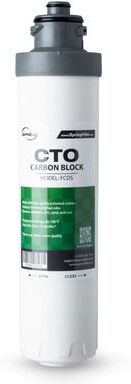

Similar search terms for ISpring-FCDS-Carbon-Block
Top-Angebote
Products related to ISpring-FCDS-Carbon-Block:
-
iSpring FCB500 Carbon Block Filter for RO500 SystemDedicated last stage carbon block filter for iSpring RO500 tankless reverse osmosis system. Made with quality coconut shell activated carbon block. Further polishes filtered water and enhances the taste of water.49,99 $*Shipping: 0,00 $Secure redirect to the provider
-
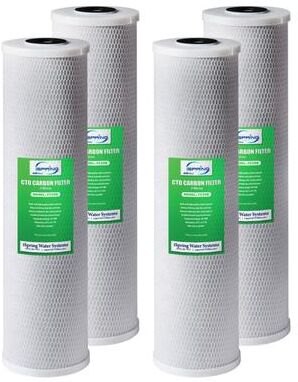
"iSpring FC25BX4 20"" CTO Carbon Block Filter Cartridges, 4-Pack"Protect Your Family and Household Appliance from Chlorine and More: Say goodbye to smelly, bad tasting water! The FC25B carbon block filter is specially designed to remove up to 99% of chlorine from water as well as taste and odor compounds.194,99 $*Shipping: 0,00 $Secure redirect to the provider


-
Can carbon paper be used to transfer a design onto a mug?
No, carbon paper is not suitable for transferring designs onto a mug. Carbon paper is typically used for making copies of written or typed documents by transferring ink from the carbon paper onto another sheet of paper. To transfer a design onto a mug, you would need special transfer paper designed for use on ceramics or mugs, along with a heat press or oven to set the design onto the mug. **
-
What color is the carbon paper?
The color of carbon paper can vary, but it is commonly found in a dark blue or black color. This color is used to create a strong contrast against the white paper it is placed under, allowing for clear and legible copies to be made. Some carbon paper may also come in other colors such as red or purple, but the most common color is dark blue or black. **
-
How can carbon monoxide be used for paper?
Carbon monoxide can be used in the paper industry as a reducing agent in the production of bleaching agents such as sodium hydrosulfite. It can also be used in the synthesis of certain chemicals that are used in paper manufacturing processes. Additionally, carbon monoxide can be used as a fuel source in the production of energy for paper mills. **
-
How can one attach carbon paper to porcelain?
To attach carbon paper to porcelain, you can use a small amount of adhesive such as glue or double-sided tape. Apply the adhesive to the back of the carbon paper and then carefully press it onto the porcelain surface. Be sure to smooth out any air bubbles or wrinkles to ensure a clean transfer of the carbon image onto the porcelain. Once the carbon paper is securely attached, you can proceed with your desired transfer or tracing process. **


Is carbon the same as carbon fiber?
No, carbon and carbon fiber are not the same. Carbon is a chemical element with the symbol C and atomic number 6, while carbon fiber is a material made of thin fibers composed mostly of carbon atoms. Carbon fiber is a lightweight and strong material commonly used in aerospace, automotive, and sporting goods industries, while carbon in its elemental form has various uses in different industries. **
What are non-aromatic carbon-carbon bonds?
Non-aromatic carbon-carbon bonds are simply carbon-carbon bonds that do not participate in aromaticity. Aromaticity refers to a special type of bonding in organic molecules that results in increased stability and unique reactivity. Non-aromatic carbon-carbon bonds can be found in a wide range of organic compounds and can exhibit different types of reactivity and properties depending on their specific chemical environment. These bonds can be found in aliphatic hydrocarbons, such as alkanes and alkenes, as well as in many other organic molecules. **
Top-Angebote
Products related to ISpring-FCDS-Carbon-Block:
-
iSpring FCDS Carbon Block CTO Replacement FilterMOST IMPURITIES REDUCTION - By eliminating chlorine and other hazardous industrial pollutants from your house, our 3rd stage Carbon block filters provide you water without fear of contamination.34,99 $*Shipping: 0,00 $Secure redirect to the provider
-
iSpring FPC1000 Carbon Block Filter for RO1000 SystemA Specialized Last-Stage Carbon Block Filter for the iSpring RO1000 Tankless Reverse Osmosis System - Tool-Free Filter Replacement. Made with a premium coconut shell activated carbon block.62,49 $*Shipping: 0,00 $Secure redirect to the provider
-
iSpring FCB500 Carbon Block Filter for RO500 SystemDedicated last stage carbon block filter for iSpring RO500 tankless reverse osmosis system. Made with quality coconut shell activated carbon block. Further polishes filtered water and enhances the taste of water.49,99 $*Shipping: 0,00 $Secure redirect to the provider
-
How do I transfer a design onto canvas using carbon paper?
To transfer a design onto canvas using carbon paper, first place the carbon paper on top of the canvas with the carbon side facing down. Then, place the design on top of the carbon paper. Use a pencil or pen to trace over the design, pressing firmly to transfer the carbon onto the canvas. Once the design is traced, remove the carbon paper and design to reveal the transferred image on the canvas. You can then use paint or other mediums to fill in the design. **
-
Can carbon paper be reused?
No, carbon paper cannot be reused. Once the carbon coating on the paper has been transferred to another surface, it cannot be reapplied to create additional copies. Each use of carbon paper results in the transfer of the carbon coating, leaving the original sheet unable to be reused for the same purpose. **
-
Can carbon paper be used to transfer a design onto a mug?
No, carbon paper is not suitable for transferring designs onto a mug. Carbon paper is typically used for making copies of written or typed documents by transferring ink from the carbon paper onto another sheet of paper. To transfer a design onto a mug, you would need special transfer paper designed for use on ceramics or mugs, along with a heat press or oven to set the design onto the mug. **
-
What color is the carbon paper?
The color of carbon paper can vary, but it is commonly found in a dark blue or black color. This color is used to create a strong contrast against the white paper it is placed under, allowing for clear and legible copies to be made. Some carbon paper may also come in other colors such as red or purple, but the most common color is dark blue or black. **
Similar search terms for ISpring-FCDS-Carbon-Block
-
"iSpring FC25BX4 20"" CTO Carbon Block Filter Cartridges, 4-Pack"Protect Your Family and Household Appliance from Chlorine and More: Say goodbye to smelly, bad tasting water! The FC25B carbon block filter is specially designed to remove up to 99% of chlorine from water as well as taste and odor compounds.194,99 $*Shipping: 0,00 $Secure redirect to the provider
-
iSpring FC15BX4 5 Micron Carbon Block Filter Cartridges, 4-Pack"Using quality coconut shell carbon and highly compact fabrication tech, this activated carbon block CTO(Chlorine, Taste, and Odor) filter cartridge is designed and produced to achieve filtration efficiency and long filter life for 10"" Whole House and…"149,99 $*Shipping: 0,00 $Secure redirect to the provider
-
iSpring CKC2 2-Stage Countertop Water Filtration Dispenser System- Includes Activated Carbon and Carbon Block FiltersProduces great tasting drinking water filtered right from your kitchen tap; Effectively reduces sediment, chlorine, and more by letting water pass through the countertop water filter No hassle faucet adapter makes installation and removal a breeze;…69,99 $*Shipping: 0,00 $Secure redirect to the provider
-
How can carbon monoxide be used for paper?
Carbon monoxide can be used in the paper industry as a reducing agent in the production of bleaching agents such as sodium hydrosulfite. It can also be used in the synthesis of certain chemicals that are used in paper manufacturing processes. Additionally, carbon monoxide can be used as a fuel source in the production of energy for paper mills. **
-
How can one attach carbon paper to porcelain?
To attach carbon paper to porcelain, you can use a small amount of adhesive such as glue or double-sided tape. Apply the adhesive to the back of the carbon paper and then carefully press it onto the porcelain surface. Be sure to smooth out any air bubbles or wrinkles to ensure a clean transfer of the carbon image onto the porcelain. Once the carbon paper is securely attached, you can proceed with your desired transfer or tracing process. **
-
Is carbon the same as carbon fiber?
No, carbon and carbon fiber are not the same. Carbon is a chemical element with the symbol C and atomic number 6, while carbon fiber is a material made of thin fibers composed mostly of carbon atoms. Carbon fiber is a lightweight and strong material commonly used in aerospace, automotive, and sporting goods industries, while carbon in its elemental form has various uses in different industries. **
-
What are non-aromatic carbon-carbon bonds?
Non-aromatic carbon-carbon bonds are simply carbon-carbon bonds that do not participate in aromaticity. Aromaticity refers to a special type of bonding in organic molecules that results in increased stability and unique reactivity. Non-aromatic carbon-carbon bonds can be found in a wide range of organic compounds and can exhibit different types of reactivity and properties depending on their specific chemical environment. These bonds can be found in aliphatic hydrocarbons, such as alkanes and alkenes, as well as in many other organic molecules. **
* All prices are inclusive of VAT and, if applicable, plus shipping costs. The offer information is based on the details provided by the respective shop and is updated through automated processes. Real-time updates do not occur, so deviations can occur in individual cases. ** Note: Parts of this content were created by AI.