Buy fontenuovasrl.eu ?
We are moving the project
fontenuovasrl.eu .
Are you interested in purchasing the domain
fontenuovasrl.eu ?
domain@kv-gmbh.de · 0541-91531010
Buy fontenuovasrl.eu ?
How was the frontier moved westward?
The frontier was moved westward through a combination of government policies, such as the Indian Removal Act and the Homestead Act, which encouraged settlement and expansion into the western territories. Additionally, the construction of railroads and other infrastructure made it easier for people to travel and settle in the West. The discovery of gold and other valuable resources also attracted people to move westward in search of economic opportunities. Finally, conflicts with Native American tribes and the eventual defeat and relocation of many indigenous peoples also contributed to the westward movement of the frontier. **
Why was Poland shifted westward after the war?
Poland was shifted westward after World War II as part of the reorganization of borders in Europe. This was primarily due to the decisions made by the Allied powers, particularly the Soviet Union, as they sought to redraw boundaries and create a buffer zone between themselves and potential future threats. The shift also aimed to compensate Poland for the territory it lost in the east to the Soviet Union, by giving it land in the west that had previously been part of Germany. **


Similar search terms for Westward
Top-Angebote
Products related to Westward:
-
Xerox Premier 80gsm Printing Paper 500 Sheets White - A3Xerox Premier 80gsm white multipurpose paper, ream of 500 sheets, A3 (297 x 420 mm). Suitable for laser and inkjet printers, copiers and fax machines. Grammage 80 g/m², whiteness 165 CIE, opacity 91%, ECF bleached, ISO 9706 permanent (archival) paper. Manufacturer part number 003R91721.31,49 £*Shipping: 0,00 £Secure redirect to the provider
-
Xerox Premier 80gsm Printing Paper 500 Sheets White - A5Xerox Premier 80gsm white multipurpose paper, ream of 500 sheets, A5 (148 x 210 mm). Suitable for laser and inkjet printers, copiers and fax machines. Grammage 80 g/m², whiteness 165 CIE, opacity 91%, ECF bleached, ISO 9706 permanent (archival) paper. Manufacturer part number 003R91832.16,49 £*Shipping: 0,00 £Secure redirect to the provider
-
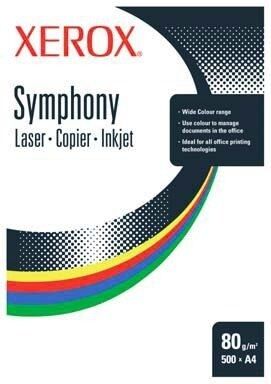
Xerox Symphony 160 A4, Green Card PW printing paperXerox Symphony 160 A4, Green Card PW. Media weight: 160 g/m², Product colour: Green, Printing media thickness: 200 ± 5 µm. Media sheets per package: 250 sheets, Paper dimensions: A4, Bleach type: ECF28,49 £*Shipping: 0,00 £Secure redirect to the provider
-
Scotch Heavy Duty Paper Packaging Tape 1.88in x 24.9yd - 1 RollScotch Heavy Duty Paper Packing Tape is a recycle-ready packaging tape with an extreme grip to ensure boxes stay securely sealed. Designed with durable solvent-free adhesive this moving tape creates a strong seal that secures up to 80 pounds of weight per box and is guaranteed to stay sealed (1). Its kraft paper finish provides a writable surface allowing you to easily label box contents add custom tags or write messages directly on the tape making it ideal for moving organizing and creative projects. This paper shipping tape can be left on the box and tossed in your curbside recycle bin for easy recycling. Whether you re shipping heavy items moving across the country or packing away seasonal decorations count on this adhesive tape to keep your boxes sealed with just one strip on each seam. Scotch Heavy Duty Paper Packing Tape is tear-by-hand for hassle-free application-no dispenser needed. One package contains one roll of box tape that is 1.88 in. x 24.9 yd. with a 3-in. core. (1) If your box doe16,49 £*Shipping: 0,00 £Secure redirect to the provider



-
What are the causes of Poland's westward shift?
Poland's westward shift can be attributed to several factors. One of the main causes is the historical influence of neighboring countries, such as Germany and Russia, which have shaped Poland's geopolitical orientation. Additionally, Poland's desire to align itself with Western Europe and NATO has driven its westward shift. Economic factors, including the desire to access Western markets and investment, have also played a role in Poland's reorientation towards the West. Finally, the shared values and political systems between Poland and Western countries have contributed to this shift. **
-
Can you explain the concept of Poland's westward shift?
Poland's westward shift refers to the country's geopolitical reorientation towards Western Europe after the end of the Cold War. This shift was marked by Poland's accession to the European Union in 2004, which brought the country closer to the political, economic, and security structures of Western Europe. It also involved a move away from its historical ties with Russia and the former Soviet bloc countries. This westward shift has allowed Poland to benefit from increased trade, investment, and cooperation with Western European countries, as well as greater integration into the broader European community. **
-
What is meant by the westward shift of Poland?
The westward shift of Poland refers to the movement of its borders and population towards the west after World War II. This was a result of the Potsdam Agreement in 1945, where Poland's borders were redrawn, and the country lost territory in the east to the Soviet Union but gained territory in the west from Germany. This shift had significant implications for the demographics and culture of Poland, as well as for its geopolitical position in Europe. **
-
Why did the three other Allies agree to the westward shift of Poland?
The three other Allies (United States, United Kingdom, and France) agreed to the westward shift of Poland because they wanted to prevent the Soviet Union from gaining too much influence in Eastern Europe. By allowing Poland to expand westward, it created a buffer zone between the Soviet Union and Western Europe, reducing the potential for future conflicts. Additionally, the Allies were focused on maintaining peace and stability in the region after the end of World War II, and compromising on the borders of Poland was seen as a necessary step towards achieving that goal. **


Why did Columbus search for a sea route to India in the westward direction?
Columbus searched for a sea route to India in the westward direction because he believed that the Earth was smaller than it actually is and that he could reach India by sailing west across the Atlantic Ocean. He was also motivated by the potential for wealth and glory that would come from finding a new trade route to the lucrative markets of the East. Additionally, Columbus was influenced by the desire to spread Christianity to new lands and to gain the support of the Spanish monarchy in his quest for exploration and discovery. **
What is the Polish stance on the westward shift of Poland and the crimes they committed against the Germans?
The Polish government and society generally acknowledge the suffering and displacement of ethnic Germans during and after World War II, but they also emphasize the historical context of the westward shift of Poland's borders. They argue that the shift was a result of the decisions made by the Allied powers at the end of the war, and that it was a response to the aggression and atrocities committed by Nazi Germany. While recognizing the suffering of the German population, Poland also emphasizes the need to remember the suffering of the Polish population during the war and the importance of maintaining good relations with Germany today. **
Top-Angebote
Products related to Westward:
-
Women's Westward Wrap Sweater in Cream Southwest Print, Size: XS by AriatNothing says chalet chic like the Westward Wrap Sweater. Made of soft, heavyweight knit with a cozy shawl collar, it's exactly what you want to wrap up in by the fire après ski or on a winter night in the city. Westward Wrap Sweater Women's Westward Wrap Sweater in Cream Southwest Print, Size: XS by Ariat99,99 $*Shipping: 0,00 $Secure redirect to the provider
-
Xerox Premier White Paper, A4 100gsm printing paperFeatures:- Bleach Type: ECF. - Archival Life: ISO 9706 Permanent Paper. - Conforms to ISO9706.- Laser Star Rating: 5 - Copier Star Rating: 5 - Inkjet Star Rating: 4 - Offset Star Rating: 4 - Grain Direction: LONG.25,49 £*Shipping: 0,00 £Secure redirect to the provider
-
Xerox Premier 80gsm Printing Paper 500 Sheets White - A3Xerox Premier 80gsm white multipurpose paper, ream of 500 sheets, A3 (297 x 420 mm). Suitable for laser and inkjet printers, copiers and fax machines. Grammage 80 g/m², whiteness 165 CIE, opacity 91%, ECF bleached, ISO 9706 permanent (archival) paper. Manufacturer part number 003R91721.31,49 £*Shipping: 0,00 £Secure redirect to the provider
-
Xerox Premier 80gsm Printing Paper 500 Sheets White - A5Xerox Premier 80gsm white multipurpose paper, ream of 500 sheets, A5 (148 x 210 mm). Suitable for laser and inkjet printers, copiers and fax machines. Grammage 80 g/m², whiteness 165 CIE, opacity 91%, ECF bleached, ISO 9706 permanent (archival) paper. Manufacturer part number 003R91832.16,49 £*Shipping: 0,00 £Secure redirect to the provider
-
How was the frontier moved westward?
The frontier was moved westward through a combination of government policies, such as the Indian Removal Act and the Homestead Act, which encouraged settlement and expansion into the western territories. Additionally, the construction of railroads and other infrastructure made it easier for people to travel and settle in the West. The discovery of gold and other valuable resources also attracted people to move westward in search of economic opportunities. Finally, conflicts with Native American tribes and the eventual defeat and relocation of many indigenous peoples also contributed to the westward movement of the frontier. **
-
Why was Poland shifted westward after the war?
Poland was shifted westward after World War II as part of the reorganization of borders in Europe. This was primarily due to the decisions made by the Allied powers, particularly the Soviet Union, as they sought to redraw boundaries and create a buffer zone between themselves and potential future threats. The shift also aimed to compensate Poland for the territory it lost in the east to the Soviet Union, by giving it land in the west that had previously been part of Germany. **
-
What are the causes of Poland's westward shift?
Poland's westward shift can be attributed to several factors. One of the main causes is the historical influence of neighboring countries, such as Germany and Russia, which have shaped Poland's geopolitical orientation. Additionally, Poland's desire to align itself with Western Europe and NATO has driven its westward shift. Economic factors, including the desire to access Western markets and investment, have also played a role in Poland's reorientation towards the West. Finally, the shared values and political systems between Poland and Western countries have contributed to this shift. **
-
Can you explain the concept of Poland's westward shift?
Poland's westward shift refers to the country's geopolitical reorientation towards Western Europe after the end of the Cold War. This shift was marked by Poland's accession to the European Union in 2004, which brought the country closer to the political, economic, and security structures of Western Europe. It also involved a move away from its historical ties with Russia and the former Soviet bloc countries. This westward shift has allowed Poland to benefit from increased trade, investment, and cooperation with Western European countries, as well as greater integration into the broader European community. **
Similar search terms for Westward
-
Xerox Symphony 160 A4, Green Card PW printing paperXerox Symphony 160 A4, Green Card PW. Media weight: 160 g/m², Product colour: Green, Printing media thickness: 200 ± 5 µm. Media sheets per package: 250 sheets, Paper dimensions: A4, Bleach type: ECF28,49 £*Shipping: 0,00 £Secure redirect to the provider
-
Scotch Heavy Duty Paper Packaging Tape 1.88in x 24.9yd - 1 RollScotch Heavy Duty Paper Packing Tape is a recycle-ready packaging tape with an extreme grip to ensure boxes stay securely sealed. Designed with durable solvent-free adhesive this moving tape creates a strong seal that secures up to 80 pounds of weight per box and is guaranteed to stay sealed (1). Its kraft paper finish provides a writable surface allowing you to easily label box contents add custom tags or write messages directly on the tape making it ideal for moving organizing and creative projects. This paper shipping tape can be left on the box and tossed in your curbside recycle bin for easy recycling. Whether you re shipping heavy items moving across the country or packing away seasonal decorations count on this adhesive tape to keep your boxes sealed with just one strip on each seam. Scotch Heavy Duty Paper Packing Tape is tear-by-hand for hassle-free application-no dispenser needed. One package contains one roll of box tape that is 1.88 in. x 24.9 yd. with a 3-in. core. (1) If your box doe16,49 £*Shipping: 0,00 £Secure redirect to the provider
-
What is meant by the westward shift of Poland?
The westward shift of Poland refers to the movement of its borders and population towards the west after World War II. This was a result of the Potsdam Agreement in 1945, where Poland's borders were redrawn, and the country lost territory in the east to the Soviet Union but gained territory in the west from Germany. This shift had significant implications for the demographics and culture of Poland, as well as for its geopolitical position in Europe. **
-
Why did the three other Allies agree to the westward shift of Poland?
The three other Allies (United States, United Kingdom, and France) agreed to the westward shift of Poland because they wanted to prevent the Soviet Union from gaining too much influence in Eastern Europe. By allowing Poland to expand westward, it created a buffer zone between the Soviet Union and Western Europe, reducing the potential for future conflicts. Additionally, the Allies were focused on maintaining peace and stability in the region after the end of World War II, and compromising on the borders of Poland was seen as a necessary step towards achieving that goal. **
-
Why did Columbus search for a sea route to India in the westward direction?
Columbus searched for a sea route to India in the westward direction because he believed that the Earth was smaller than it actually is and that he could reach India by sailing west across the Atlantic Ocean. He was also motivated by the potential for wealth and glory that would come from finding a new trade route to the lucrative markets of the East. Additionally, Columbus was influenced by the desire to spread Christianity to new lands and to gain the support of the Spanish monarchy in his quest for exploration and discovery. **
-
What is the Polish stance on the westward shift of Poland and the crimes they committed against the Germans?
The Polish government and society generally acknowledge the suffering and displacement of ethnic Germans during and after World War II, but they also emphasize the historical context of the westward shift of Poland's borders. They argue that the shift was a result of the decisions made by the Allied powers at the end of the war, and that it was a response to the aggression and atrocities committed by Nazi Germany. While recognizing the suffering of the German population, Poland also emphasizes the need to remember the suffering of the Polish population during the war and the importance of maintaining good relations with Germany today. **
* All prices are inclusive of VAT and, if applicable, plus shipping costs. The offer information is based on the details provided by the respective shop and is updated through automated processes. Real-time updates do not occur, so deviations can occur in individual cases. ** Note: Parts of this content were created by AI.