Buy fontenuovasrl.eu ?
We are moving the project
fontenuovasrl.eu .
Are you interested in purchasing the domain
fontenuovasrl.eu ?
domain@kv-gmbh.de · 0541-91531010
Buy fontenuovasrl.eu ?
What is transpiration in biology?
Transpiration is the process by which plants absorb water through their roots and then release it into the atmosphere through small openings in their leaves called stomata. This process helps plants to regulate their temperature, transport nutrients, and maintain their shape. Transpiration also plays a role in the water cycle by returning water vapor to the atmosphere. **
How does transpiration depend on humidity?
Transpiration is the process by which water is lost from a plant through the stomata in its leaves. Humidity affects transpiration because it is the measure of water vapor in the air. When the air is dry, with low humidity, the plant will transpire more to compensate for the lack of moisture in the air. Conversely, when the air is humid, with high humidity, the plant will transpire less because the air already contains a significant amount of water vapor. Therefore, transpiration is directly influenced by the humidity of the surrounding air. **


Similar search terms for Transpiration
Top-Angebote
Products related to Transpiration:
-
Xerox Premier 80gsm Printing Paper 500 Sheets White - A5Xerox Premier 80gsm white multipurpose paper, ream of 500 sheets, A5 (148 x 210 mm). Suitable for laser and inkjet printers, copiers and fax machines. Grammage 80 g/m², whiteness 165 CIE, opacity 91%, ECF bleached, ISO 9706 permanent (archival) paper. Manufacturer part number 003R91832.16,49 £*Shipping: 0,00 £Secure redirect to the provider
-
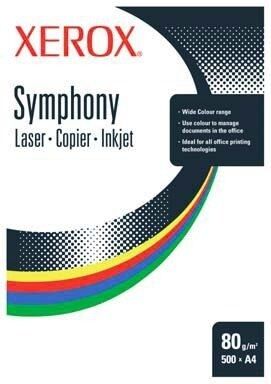
Xerox Symphony 160 A4, Green Card PW printing paperXerox Symphony 160 A4, Green Card PW. Media weight: 160 g/m², Product colour: Green, Printing media thickness: 200 ± 5 µm. Media sheets per package: 250 sheets, Paper dimensions: A4, Bleach type: ECF28,49 £*Shipping: 0,00 £Secure redirect to the provider
-
Scotch Heavy Duty Paper Packaging Tape 1.88in x 24.9yd - 1 RollScotch Heavy Duty Paper Packing Tape is a recycle-ready packaging tape with an extreme grip to ensure boxes stay securely sealed. Designed with durable solvent-free adhesive this moving tape creates a strong seal that secures up to 80 pounds of weight per box and is guaranteed to stay sealed (1). Its kraft paper finish provides a writable surface allowing you to easily label box contents add custom tags or write messages directly on the tape making it ideal for moving organizing and creative projects. This paper shipping tape can be left on the box and tossed in your curbside recycle bin for easy recycling. Whether you re shipping heavy items moving across the country or packing away seasonal decorations count on this adhesive tape to keep your boxes sealed with just one strip on each seam. Scotch Heavy Duty Paper Packing Tape is tear-by-hand for hassle-free application-no dispenser needed. One package contains one roll of box tape that is 1.88 in. x 24.9 yd. with a 3-in. core. (1) If your box doe16,49 £*Shipping: 0,00 £Secure redirect to the provider



-
What does a transpiration diagram look like?
A transpiration diagram typically shows the movement of water through a plant, from the roots to the leaves, and its subsequent release into the atmosphere through the process of transpiration. It often includes arrows to indicate the direction of water flow, as well as labels to identify the different parts of the plant involved in transpiration, such as roots, stem, and leaves. The diagram may also include annotations to explain the role of stomata in regulating transpiration and the factors that influence the rate of water loss. **
-
What is the significance of transpiration for plants?
Transpiration is essential for plants as it helps in the absorption of water and nutrients from the soil through the roots. It also helps in maintaining the plant's temperature by cooling the leaves through the process of evaporation. Additionally, transpiration plays a crucial role in the transportation of minerals and nutrients from the roots to the leaves and other parts of the plant. Overall, transpiration is vital for the overall health and growth of plants. **
-
Why do dead hair reduce transpiration in plants?
Dead hair reduces transpiration in plants because it forms a protective layer over the surface of the plant, reducing the rate of water loss through transpiration. This layer of dead hair acts as a barrier, preventing excessive water loss and helping the plant to conserve water in dry or arid conditions. Additionally, dead hair can also provide insulation, reducing the impact of environmental factors such as wind and sun exposure, which can further reduce transpiration. Overall, dead hair plays a crucial role in helping plants adapt and survive in challenging environmental conditions. **
-
How can an experiment on plant transpiration be conducted?
An experiment on plant transpiration can be conducted by setting up a simple apparatus called a potometer. This apparatus consists of a plant stem inserted into a capillary tube filled with water, allowing you to measure the rate of water uptake by the plant. By controlling factors such as light intensity, temperature, and humidity, you can observe how these variables affect the rate of transpiration in the plant. By recording the changes in water level in the capillary tube over time, you can calculate the rate of transpiration and draw conclusions about the factors influencing this process. **


How can one conduct an experiment on plant transpiration?
To conduct an experiment on plant transpiration, one can set up a simple experiment using potted plants, plastic bags, a scale, and a ruler. Start by placing a potted plant in a plastic bag and sealing it tightly. Leave the plant in a well-lit area for a set period of time, such as 24 hours. Weigh the plant before and after the experiment to measure the amount of water lost through transpiration. Use the ruler to measure the surface area of the leaves to calculate the rate of transpiration. **
How can the transpiration process in plants be investigated?
The transpiration process in plants can be investigated through several methods. One common method is to use a potometer, which measures the rate of water uptake by a plant. By measuring the change in water level in the potometer over time, the rate of transpiration can be calculated. Another method is to use a gas analyzer to measure the rate of water vapor loss from the leaves of a plant. Additionally, researchers can use isotopic labeling techniques to track the movement of water through the plant and determine the rate of transpiration. These methods provide valuable insights into the transpiration process and its role in plant physiology. **
Top-Angebote
Products related to Transpiration:
-
Xerox Premier White Paper, A4 100gsm printing paperFeatures:- Bleach Type: ECF. - Archival Life: ISO 9706 Permanent Paper. - Conforms to ISO9706.- Laser Star Rating: 5 - Copier Star Rating: 5 - Inkjet Star Rating: 4 - Offset Star Rating: 4 - Grain Direction: LONG.25,49 £*Shipping: 0,00 £Secure redirect to the provider
-
Xerox Premier 80gsm Printing Paper 500 Sheets White - A3Xerox Premier 80gsm white multipurpose paper, ream of 500 sheets, A3 (297 x 420 mm). Suitable for laser and inkjet printers, copiers and fax machines. Grammage 80 g/m², whiteness 165 CIE, opacity 91%, ECF bleached, ISO 9706 permanent (archival) paper. Manufacturer part number 003R91721.31,49 £*Shipping: 0,00 £Secure redirect to the provider
-
Xerox Premier 80gsm Printing Paper 500 Sheets White - A5Xerox Premier 80gsm white multipurpose paper, ream of 500 sheets, A5 (148 x 210 mm). Suitable for laser and inkjet printers, copiers and fax machines. Grammage 80 g/m², whiteness 165 CIE, opacity 91%, ECF bleached, ISO 9706 permanent (archival) paper. Manufacturer part number 003R91832.16,49 £*Shipping: 0,00 £Secure redirect to the provider
-
Xerox Symphony 160 A4, Green Card PW printing paperXerox Symphony 160 A4, Green Card PW. Media weight: 160 g/m², Product colour: Green, Printing media thickness: 200 ± 5 µm. Media sheets per package: 250 sheets, Paper dimensions: A4, Bleach type: ECF28,49 £*Shipping: 0,00 £Secure redirect to the provider
-
What is transpiration in biology?
Transpiration is the process by which plants absorb water through their roots and then release it into the atmosphere through small openings in their leaves called stomata. This process helps plants to regulate their temperature, transport nutrients, and maintain their shape. Transpiration also plays a role in the water cycle by returning water vapor to the atmosphere. **
-
How does transpiration depend on humidity?
Transpiration is the process by which water is lost from a plant through the stomata in its leaves. Humidity affects transpiration because it is the measure of water vapor in the air. When the air is dry, with low humidity, the plant will transpire more to compensate for the lack of moisture in the air. Conversely, when the air is humid, with high humidity, the plant will transpire less because the air already contains a significant amount of water vapor. Therefore, transpiration is directly influenced by the humidity of the surrounding air. **
-
What does a transpiration diagram look like?
A transpiration diagram typically shows the movement of water through a plant, from the roots to the leaves, and its subsequent release into the atmosphere through the process of transpiration. It often includes arrows to indicate the direction of water flow, as well as labels to identify the different parts of the plant involved in transpiration, such as roots, stem, and leaves. The diagram may also include annotations to explain the role of stomata in regulating transpiration and the factors that influence the rate of water loss. **
-
What is the significance of transpiration for plants?
Transpiration is essential for plants as it helps in the absorption of water and nutrients from the soil through the roots. It also helps in maintaining the plant's temperature by cooling the leaves through the process of evaporation. Additionally, transpiration plays a crucial role in the transportation of minerals and nutrients from the roots to the leaves and other parts of the plant. Overall, transpiration is vital for the overall health and growth of plants. **
Similar search terms for Transpiration
-
Scotch Heavy Duty Paper Packaging Tape 1.88in x 24.9yd - 1 RollScotch Heavy Duty Paper Packing Tape is a recycle-ready packaging tape with an extreme grip to ensure boxes stay securely sealed. Designed with durable solvent-free adhesive this moving tape creates a strong seal that secures up to 80 pounds of weight per box and is guaranteed to stay sealed (1). Its kraft paper finish provides a writable surface allowing you to easily label box contents add custom tags or write messages directly on the tape making it ideal for moving organizing and creative projects. This paper shipping tape can be left on the box and tossed in your curbside recycle bin for easy recycling. Whether you re shipping heavy items moving across the country or packing away seasonal decorations count on this adhesive tape to keep your boxes sealed with just one strip on each seam. Scotch Heavy Duty Paper Packing Tape is tear-by-hand for hassle-free application-no dispenser needed. One package contains one roll of box tape that is 1.88 in. x 24.9 yd. with a 3-in. core. (1) If your box doe16,49 £*Shipping: 0,00 £Secure redirect to the provider
-
Xerox Symphony 80 g/m² A4 250 Sheets Ivory printing paperXerox Symphony 80 g/m² A4 250 Sheets Ivory. Media weight: 80 g/m², Product colour: Ivory, Printing media thickness: 104 ± 2 µm. Media sheets per package: 500 sheets, Paper dimensions: A4, Bleach type: ECF28,49 £*Shipping: 0,00 £Secure redirect to the provider
-
Why do dead hair reduce transpiration in plants?
Dead hair reduces transpiration in plants because it forms a protective layer over the surface of the plant, reducing the rate of water loss through transpiration. This layer of dead hair acts as a barrier, preventing excessive water loss and helping the plant to conserve water in dry or arid conditions. Additionally, dead hair can also provide insulation, reducing the impact of environmental factors such as wind and sun exposure, which can further reduce transpiration. Overall, dead hair plays a crucial role in helping plants adapt and survive in challenging environmental conditions. **
-
How can an experiment on plant transpiration be conducted?
An experiment on plant transpiration can be conducted by setting up a simple apparatus called a potometer. This apparatus consists of a plant stem inserted into a capillary tube filled with water, allowing you to measure the rate of water uptake by the plant. By controlling factors such as light intensity, temperature, and humidity, you can observe how these variables affect the rate of transpiration in the plant. By recording the changes in water level in the capillary tube over time, you can calculate the rate of transpiration and draw conclusions about the factors influencing this process. **
-
How can one conduct an experiment on plant transpiration?
To conduct an experiment on plant transpiration, one can set up a simple experiment using potted plants, plastic bags, a scale, and a ruler. Start by placing a potted plant in a plastic bag and sealing it tightly. Leave the plant in a well-lit area for a set period of time, such as 24 hours. Weigh the plant before and after the experiment to measure the amount of water lost through transpiration. Use the ruler to measure the surface area of the leaves to calculate the rate of transpiration. **
-
How can the transpiration process in plants be investigated?
The transpiration process in plants can be investigated through several methods. One common method is to use a potometer, which measures the rate of water uptake by a plant. By measuring the change in water level in the potometer over time, the rate of transpiration can be calculated. Another method is to use a gas analyzer to measure the rate of water vapor loss from the leaves of a plant. Additionally, researchers can use isotopic labeling techniques to track the movement of water through the plant and determine the rate of transpiration. These methods provide valuable insights into the transpiration process and its role in plant physiology. **
* All prices are inclusive of VAT and, if applicable, plus shipping costs. The offer information is based on the details provided by the respective shop and is updated through automated processes. Real-time updates do not occur, so deviations can occur in individual cases. ** Note: Parts of this content were created by AI.