Buy fontenuovasrl.eu ?
We are moving the project
fontenuovasrl.eu .
Are you interested in purchasing the domain
fontenuovasrl.eu ?
domain@kv-gmbh.de · 0541-91531010
Buy fontenuovasrl.eu ?
What is robotics?
Robotics is a branch of technology that deals with the design, construction, operation, and application of robots. Robots are programmable machines that can perform tasks autonomously or semi-autonomously. Robotics combines elements of mechanical engineering, electrical engineering, and computer science to create machines that can assist humans in various tasks, from manufacturing to space exploration. The field of robotics is constantly evolving, with advancements in artificial intelligence and machine learning leading to more sophisticated and versatile robots. **
How can one get into robotics?
One can get into robotics by starting with a strong foundation in science, technology, engineering, and mathematics (STEM) subjects. Pursuing a degree in robotics, mechanical engineering, electrical engineering, or computer science can provide the necessary knowledge and skills. Additionally, gaining hands-on experience through internships, projects, or participating in robotics competitions can help build practical skills and network with professionals in the field. Staying updated on the latest advancements in robotics technology and continuously learning and experimenting with different robotics platforms can also help one get into robotics. **

Similar search terms for Robotics
Top-Angebote
Products related to Robotics:
-
Xerox Recycled Paper A4, White printing paperMade from 100% Post-Consumer waste. De-inked without bleaching and free from optical brightening agents (OBA).- Bleach Type: Unbleached. - Archival Life: ISO 9706 Permanent Paper. - Conforms to ISO9706: true. - Laser Star Rating: 3 - Copier Star Rating: 3 - Inkjet Star Rating: 1 - Offset Star Rating: 3 - Grain Direction: 340,99 £*Shipping: 0,00 £Secure redirect to the provider
-
Xerox Premier White Paper, A4 100gsm printing paperFeatures:- Bleach Type: ECF. - Archival Life: ISO 9706 Permanent Paper. - Conforms to ISO9706.- Laser Star Rating: 5 - Copier Star Rating: 5 - Inkjet Star Rating: 4 - Offset Star Rating: 4 - Grain Direction: LONG.25,49 £*Shipping: 0,00 £Secure redirect to the provider



-
What is behavior planning in robotics?
Behavior planning in robotics is the process of determining the sequence of actions that a robot should take to achieve a specific goal. It involves creating a plan that outlines the steps the robot needs to follow to navigate its environment, avoid obstacles, and interact with objects. This planning typically takes into account the robot's sensors, its capabilities, and the task it needs to accomplish. By carefully designing behavior plans, robots can efficiently and effectively perform tasks in various environments. **
-
Are the laws of robotics application-specific?
The laws of robotics, as originally proposed by Isaac Asimov, are general principles intended to guide the behavior of robots in a wide range of situations. They are not inherently application-specific, but rather provide a framework for ethical and safe robot behavior in various contexts. However, the implementation and interpretation of these laws may vary depending on the specific application or industry in which the robots are being used. Ultimately, it is up to designers, engineers, and policymakers to adapt and apply the laws of robotics to suit the needs of different applications. **
-
What experiences are there in studying robotics?
Studying robotics involves a combination of theoretical knowledge and hands-on practical experience. Students often have the opportunity to work on projects that involve designing, building, and programming robots. They may also participate in competitions or internships to gain real-world experience in the field. Additionally, studying robotics can involve collaborating with peers and experts in related fields, such as computer science, engineering, and artificial intelligence, to solve complex problems and push the boundaries of technology. **
-
Which book about robotics can you recommend?
I recommend "Robotics: Everything You Need to Know About Robotics from Beginner to Expert" by Peter Mckinnon. This book provides a comprehensive overview of robotics, covering topics such as the history of robotics, different types of robots, and the future of robotics. It is suitable for both beginners and experts, making it a great resource for anyone interested in learning more about robotics. **


How do you program and build robots in robotics?
In robotics, programming and building robots involves several steps. First, you need to design the robot's structure and components using software like CAD. Then, you have to select the appropriate sensors, actuators, and microcontrollers based on the robot's intended function. Next, you write the code to control the robot's movements and interactions with its environment. Finally, you assemble the physical components according to your design and test the robot to ensure it functions as intended. Throughout the process, problem-solving skills and attention to detail are crucial for successful robot programming and building. **
Is robotics and autonomous driving a form of education?
Robotics and autonomous driving can be considered a form of education in the sense that they involve learning and understanding complex technologies and systems. Engaging with robotics and autonomous driving can provide individuals with practical, hands-on experience in engineering, programming, and problem-solving. Additionally, these fields often require continuous learning and adaptation to new advancements, making them a form of ongoing education for those involved in the industry. Overall, while not traditional forms of education, robotics and autonomous driving can certainly be seen as educational opportunities for those interested in technology and innovation. **
Top-Angebote
Products related to Robotics:
-
York Wallcoverings Beige Robotics Peel and Stick WallpaperA simple drawing of robotic parts become line art in pattern Robotics. This Robotics Peel & Stick Wallpaper measures approximately 27 inches wide by 20 feet long, covering About 45 square feet per roll.59,50 $*Shipping: 0,00 $Secure redirect to the provider
-
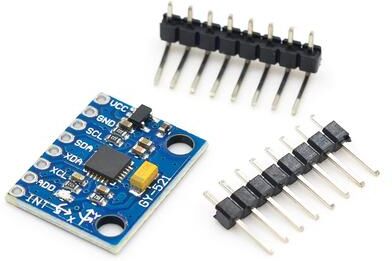
Inspired Finds MPU 6050 Motion Sensor Module 6 Axis Gyroscope And Accelerometer For Arduino & DIY Robotics MPU 6050 Motion Sensor Module 6 Axis Gyroscope And Accelerometer For Arduino & DIY RoboticsBring precision motion sensing to your next project with the MPU6050 motion sensor module. Designed for creators, students, and engineers, this powerful sensor combines a 3axis gyroscope and 3axis accelerometer in one compact module. Whether youre...34,99 $*Shipping: 0,00 $Secure redirect to the provider
-
Xerox Recycled Paper A4, White printing paperMade from 100% Post-Consumer waste. De-inked without bleaching and free from optical brightening agents (OBA).- Bleach Type: Unbleached. - Archival Life: ISO 9706 Permanent Paper. - Conforms to ISO9706: true. - Laser Star Rating: 3 - Copier Star Rating: 3 - Inkjet Star Rating: 1 - Offset Star Rating: 3 - Grain Direction: 340,99 £*Shipping: 0,00 £Secure redirect to the provider
-
Xerox Premier White Paper, A4 100gsm printing paperFeatures:- Bleach Type: ECF. - Archival Life: ISO 9706 Permanent Paper. - Conforms to ISO9706.- Laser Star Rating: 5 - Copier Star Rating: 5 - Inkjet Star Rating: 4 - Offset Star Rating: 4 - Grain Direction: LONG.25,49 £*Shipping: 0,00 £Secure redirect to the provider
-
What is robotics?
Robotics is a branch of technology that deals with the design, construction, operation, and application of robots. Robots are programmable machines that can perform tasks autonomously or semi-autonomously. Robotics combines elements of mechanical engineering, electrical engineering, and computer science to create machines that can assist humans in various tasks, from manufacturing to space exploration. The field of robotics is constantly evolving, with advancements in artificial intelligence and machine learning leading to more sophisticated and versatile robots. **
-
How can one get into robotics?
One can get into robotics by starting with a strong foundation in science, technology, engineering, and mathematics (STEM) subjects. Pursuing a degree in robotics, mechanical engineering, electrical engineering, or computer science can provide the necessary knowledge and skills. Additionally, gaining hands-on experience through internships, projects, or participating in robotics competitions can help build practical skills and network with professionals in the field. Staying updated on the latest advancements in robotics technology and continuously learning and experimenting with different robotics platforms can also help one get into robotics. **
-
What is behavior planning in robotics?
Behavior planning in robotics is the process of determining the sequence of actions that a robot should take to achieve a specific goal. It involves creating a plan that outlines the steps the robot needs to follow to navigate its environment, avoid obstacles, and interact with objects. This planning typically takes into account the robot's sensors, its capabilities, and the task it needs to accomplish. By carefully designing behavior plans, robots can efficiently and effectively perform tasks in various environments. **
-
Are the laws of robotics application-specific?
The laws of robotics, as originally proposed by Isaac Asimov, are general principles intended to guide the behavior of robots in a wide range of situations. They are not inherently application-specific, but rather provide a framework for ethical and safe robot behavior in various contexts. However, the implementation and interpretation of these laws may vary depending on the specific application or industry in which the robots are being used. Ultimately, it is up to designers, engineers, and policymakers to adapt and apply the laws of robotics to suit the needs of different applications. **
Similar search terms for Robotics
-
Canon Black Label Zero FSC printing paper A4 (210x297 mm) 75gsm 500 sheets WhiteBlack Label Zero is a perfect paper which is produced carbon neutrally and is a quality paper, suitable for laser, toner and inkjet printers. Ideal for black-and-white as well as spot colour applications. Black Label Zero is made using the most modern filler and fibre technology. The filler and raw materials, production speed and dehydration are carefully monitored to give ideal stiffness and calliper, plus outstanding homogeneity for high-speed copying and printing.39,99 £*Shipping: 0,00 £Secure redirect to the provider
-
Inspired Living Mini Cat Portable Thermal Printer Pocket Bluetooth Photo & Label Printer For IOS & Android printing Paper 3pcsCapture ideas, memories, and labels wherever inspiration strikes. This portable thermal printer slips easily into your pocket, letting you print photos, notes, stickers, and labels in secondsno ink, no mess. Designed for creatives, students, and...23,97 $*Shipping: 0,00 $Secure redirect to the provider
-
What experiences are there in studying robotics?
Studying robotics involves a combination of theoretical knowledge and hands-on practical experience. Students often have the opportunity to work on projects that involve designing, building, and programming robots. They may also participate in competitions or internships to gain real-world experience in the field. Additionally, studying robotics can involve collaborating with peers and experts in related fields, such as computer science, engineering, and artificial intelligence, to solve complex problems and push the boundaries of technology. **
-
Which book about robotics can you recommend?
I recommend "Robotics: Everything You Need to Know About Robotics from Beginner to Expert" by Peter Mckinnon. This book provides a comprehensive overview of robotics, covering topics such as the history of robotics, different types of robots, and the future of robotics. It is suitable for both beginners and experts, making it a great resource for anyone interested in learning more about robotics. **
-
How do you program and build robots in robotics?
In robotics, programming and building robots involves several steps. First, you need to design the robot's structure and components using software like CAD. Then, you have to select the appropriate sensors, actuators, and microcontrollers based on the robot's intended function. Next, you write the code to control the robot's movements and interactions with its environment. Finally, you assemble the physical components according to your design and test the robot to ensure it functions as intended. Throughout the process, problem-solving skills and attention to detail are crucial for successful robot programming and building. **
-
Is robotics and autonomous driving a form of education?
Robotics and autonomous driving can be considered a form of education in the sense that they involve learning and understanding complex technologies and systems. Engaging with robotics and autonomous driving can provide individuals with practical, hands-on experience in engineering, programming, and problem-solving. Additionally, these fields often require continuous learning and adaptation to new advancements, making them a form of ongoing education for those involved in the industry. Overall, while not traditional forms of education, robotics and autonomous driving can certainly be seen as educational opportunities for those interested in technology and innovation. **
* All prices are inclusive of VAT and, if applicable, plus shipping costs. The offer information is based on the details provided by the respective shop and is updated through automated processes. Real-time updates do not occur, so deviations can occur in individual cases. ** Note: Parts of this content were created by AI.