Buy fontenuovasrl.eu ?
We are moving the project
fontenuovasrl.eu .
Are you interested in purchasing the domain
fontenuovasrl.eu ?
domain@kv-gmbh.de · 0541-91531010
Buy fontenuovasrl.eu ?
When are receptors formed?
Receptors are formed during early development in the womb. They are essential proteins that are embedded in cell membranes and play a crucial role in transmitting signals from the external environment to the inside of the cell. The formation of receptors is a complex process that involves specific genetic instructions and protein synthesis. Once formed, receptors continue to be expressed and regulated throughout an individual's life to ensure proper cellular communication and function. **
Are receptors sensory cells?
Receptors are not sensory cells themselves, but they are specialized proteins located on the surface of sensory cells. These receptors are responsible for detecting and responding to specific stimuli, such as light, sound, taste, or smell. When a receptor is activated by a stimulus, it triggers a series of biochemical reactions within the sensory cell, ultimately leading to the generation of a sensory signal that can be transmitted to the brain for processing. Therefore, while receptors are not sensory cells, they play a crucial role in the sensory process by detecting and transducing stimuli into neural signals. **


Similar search terms for Receptors
Top-Angebote
Products related to Receptors:
-
Xerox Premier 80gsm Printing Paper 500 Sheets White - A5Xerox Premier 80gsm white multipurpose paper, ream of 500 sheets, A5 (148 x 210 mm). Suitable for laser and inkjet printers, copiers and fax machines. Grammage 80 g/m², whiteness 165 CIE, opacity 91%, ECF bleached, ISO 9706 permanent (archival) paper. Manufacturer part number 003R91832.16,49 £*Shipping: 0,00 £Secure redirect to the provider
-
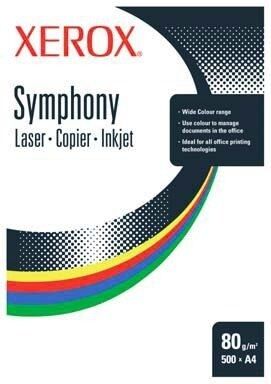
Xerox Symphony 160 A4, Green Card PW printing paperXerox Symphony 160 A4, Green Card PW. Media weight: 160 g/m², Product colour: Green, Printing media thickness: 200 ± 5 µm. Media sheets per package: 250 sheets, Paper dimensions: A4, Bleach type: ECF28,49 £*Shipping: 0,00 £Secure redirect to the provider
-
Scotch Heavy Duty Paper Packaging Tape 1.88in x 24.9yd - 1 RollScotch Heavy Duty Paper Packing Tape is a recycle-ready packaging tape with an extreme grip to ensure boxes stay securely sealed. Designed with durable solvent-free adhesive this moving tape creates a strong seal that secures up to 80 pounds of weight per box and is guaranteed to stay sealed (1). Its kraft paper finish provides a writable surface allowing you to easily label box contents add custom tags or write messages directly on the tape making it ideal for moving organizing and creative projects. This paper shipping tape can be left on the box and tossed in your curbside recycle bin for easy recycling. Whether you re shipping heavy items moving across the country or packing away seasonal decorations count on this adhesive tape to keep your boxes sealed with just one strip on each seam. Scotch Heavy Duty Paper Packing Tape is tear-by-hand for hassle-free application-no dispenser needed. One package contains one roll of box tape that is 1.88 in. x 24.9 yd. with a 3-in. core. (1) If your box doe16,49 £*Shipping: 0,00 £Secure redirect to the provider



-
What are hormone receptors?
Hormone receptors are proteins located on the surface or within the cells of target tissues that are capable of binding to specific hormones. When a hormone binds to its receptor, it triggers a series of cellular responses that ultimately lead to changes in gene expression, cell function, or metabolism. Hormone receptors are crucial for the regulation of various physiological processes in the body, including growth, metabolism, and reproduction. Different types of hormones, such as steroid hormones, thyroid hormones, and peptide hormones, have specific receptors that they bind to in order to exert their effects on target cells. **
-
Do organs have pain receptors?
No, organs themselves do not have pain receptors. Pain receptors, also known as nociceptors, are specialized nerve cells that detect tissue damage and send signals to the brain to indicate pain. While organs do not have pain receptors, the tissues surrounding organs, such as the lining of the abdomen or chest, can contain nociceptors and can transmit pain signals if they are damaged or inflamed. **
-
Why are there 1 million receptors per cm2 if there are 100,000 receptors per cm2?
There may be 1 million receptors per cm2 if there are 100,000 receptors per cm2 because the receptors may be densely packed together, allowing for more receptors to fit within the same area. Additionally, having a higher density of receptors may increase the sensitivity and efficiency of the sensory system in detecting and responding to stimuli. This high density of receptors may be particularly important in areas of the body that require a high level of sensitivity, such as the fingertips or the tongue. **
-
Which medications block the nicotine receptors?
Medications such as varenicline (Chantix) and bupropion (Zyban) are known to block nicotine receptors in the brain. By blocking these receptors, these medications reduce the pleasurable effects of nicotine, making it easier for individuals to quit smoking. These medications are often used as part of a comprehensive smoking cessation program to help individuals overcome their addiction to nicotine. **


Do Zolpidem and/or Benzodiazepines affect dopamine receptors?
Zolpidem and benzodiazepines primarily act on the GABA-A receptors in the brain, which are involved in the regulation of anxiety and sleep. While they do not directly affect dopamine receptors, they can indirectly influence dopamine levels in the brain by modulating the activity of other neurotransmitter systems. For example, benzodiazepines have been shown to indirectly affect dopamine release in certain brain regions. However, their primary mechanism of action is not through direct interaction with dopamine receptors. **
Where are pain receptors located in the body?
Pain receptors, also known as nociceptors, are located throughout the body. They are found in the skin, muscles, joints, organs, and even in the walls of blood vessels. These receptors are specialized nerve endings that detect potentially harmful stimuli, such as temperature, pressure, or chemicals, and send signals to the brain to alert the body of potential damage. **
Top-Angebote
Products related to Receptors:
-
Xerox Premier White Paper, A4 100gsm printing paperFeatures:- Bleach Type: ECF. - Archival Life: ISO 9706 Permanent Paper. - Conforms to ISO9706.- Laser Star Rating: 5 - Copier Star Rating: 5 - Inkjet Star Rating: 4 - Offset Star Rating: 4 - Grain Direction: LONG.25,49 £*Shipping: 0,00 £Secure redirect to the provider
-
Xerox Premier 80gsm Printing Paper 500 Sheets White - A3Xerox Premier 80gsm white multipurpose paper, ream of 500 sheets, A3 (297 x 420 mm). Suitable for laser and inkjet printers, copiers and fax machines. Grammage 80 g/m², whiteness 165 CIE, opacity 91%, ECF bleached, ISO 9706 permanent (archival) paper. Manufacturer part number 003R91721.31,49 £*Shipping: 0,00 £Secure redirect to the provider
-
Xerox Premier 80gsm Printing Paper 500 Sheets White - A5Xerox Premier 80gsm white multipurpose paper, ream of 500 sheets, A5 (148 x 210 mm). Suitable for laser and inkjet printers, copiers and fax machines. Grammage 80 g/m², whiteness 165 CIE, opacity 91%, ECF bleached, ISO 9706 permanent (archival) paper. Manufacturer part number 003R91832.16,49 £*Shipping: 0,00 £Secure redirect to the provider
-
Xerox Symphony 160 A4, Green Card PW printing paperXerox Symphony 160 A4, Green Card PW. Media weight: 160 g/m², Product colour: Green, Printing media thickness: 200 ± 5 µm. Media sheets per package: 250 sheets, Paper dimensions: A4, Bleach type: ECF28,49 £*Shipping: 0,00 £Secure redirect to the provider
-
When are receptors formed?
Receptors are formed during early development in the womb. They are essential proteins that are embedded in cell membranes and play a crucial role in transmitting signals from the external environment to the inside of the cell. The formation of receptors is a complex process that involves specific genetic instructions and protein synthesis. Once formed, receptors continue to be expressed and regulated throughout an individual's life to ensure proper cellular communication and function. **
-
Are receptors sensory cells?
Receptors are not sensory cells themselves, but they are specialized proteins located on the surface of sensory cells. These receptors are responsible for detecting and responding to specific stimuli, such as light, sound, taste, or smell. When a receptor is activated by a stimulus, it triggers a series of biochemical reactions within the sensory cell, ultimately leading to the generation of a sensory signal that can be transmitted to the brain for processing. Therefore, while receptors are not sensory cells, they play a crucial role in the sensory process by detecting and transducing stimuli into neural signals. **
-
What are hormone receptors?
Hormone receptors are proteins located on the surface or within the cells of target tissues that are capable of binding to specific hormones. When a hormone binds to its receptor, it triggers a series of cellular responses that ultimately lead to changes in gene expression, cell function, or metabolism. Hormone receptors are crucial for the regulation of various physiological processes in the body, including growth, metabolism, and reproduction. Different types of hormones, such as steroid hormones, thyroid hormones, and peptide hormones, have specific receptors that they bind to in order to exert their effects on target cells. **
-
Do organs have pain receptors?
No, organs themselves do not have pain receptors. Pain receptors, also known as nociceptors, are specialized nerve cells that detect tissue damage and send signals to the brain to indicate pain. While organs do not have pain receptors, the tissues surrounding organs, such as the lining of the abdomen or chest, can contain nociceptors and can transmit pain signals if they are damaged or inflamed. **
Similar search terms for Receptors
-
Scotch Heavy Duty Paper Packaging Tape 1.88in x 24.9yd - 1 RollScotch Heavy Duty Paper Packing Tape is a recycle-ready packaging tape with an extreme grip to ensure boxes stay securely sealed. Designed with durable solvent-free adhesive this moving tape creates a strong seal that secures up to 80 pounds of weight per box and is guaranteed to stay sealed (1). Its kraft paper finish provides a writable surface allowing you to easily label box contents add custom tags or write messages directly on the tape making it ideal for moving organizing and creative projects. This paper shipping tape can be left on the box and tossed in your curbside recycle bin for easy recycling. Whether you re shipping heavy items moving across the country or packing away seasonal decorations count on this adhesive tape to keep your boxes sealed with just one strip on each seam. Scotch Heavy Duty Paper Packing Tape is tear-by-hand for hassle-free application-no dispenser needed. One package contains one roll of box tape that is 1.88 in. x 24.9 yd. with a 3-in. core. (1) If your box doe16,49 £*Shipping: 0,00 £Secure redirect to the provider
-
HP Copy Paper 80g/m2 A4 500 sheets 5-pack printing paper A4 (210x297 mm) MatteHP Copy Paper is designed to run on all office equipment. Ideal for medium and large business, this paper is designed for high volume printing and is engineered to reduce the build-up of dust particles that can cause paper jams.39,99 £*Shipping: 0,00 £Secure redirect to the provider
-
Why are there 1 million receptors per cm2 if there are 100,000 receptors per cm2?
There may be 1 million receptors per cm2 if there are 100,000 receptors per cm2 because the receptors may be densely packed together, allowing for more receptors to fit within the same area. Additionally, having a higher density of receptors may increase the sensitivity and efficiency of the sensory system in detecting and responding to stimuli. This high density of receptors may be particularly important in areas of the body that require a high level of sensitivity, such as the fingertips or the tongue. **
-
Which medications block the nicotine receptors?
Medications such as varenicline (Chantix) and bupropion (Zyban) are known to block nicotine receptors in the brain. By blocking these receptors, these medications reduce the pleasurable effects of nicotine, making it easier for individuals to quit smoking. These medications are often used as part of a comprehensive smoking cessation program to help individuals overcome their addiction to nicotine. **
-
Do Zolpidem and/or Benzodiazepines affect dopamine receptors?
Zolpidem and benzodiazepines primarily act on the GABA-A receptors in the brain, which are involved in the regulation of anxiety and sleep. While they do not directly affect dopamine receptors, they can indirectly influence dopamine levels in the brain by modulating the activity of other neurotransmitter systems. For example, benzodiazepines have been shown to indirectly affect dopamine release in certain brain regions. However, their primary mechanism of action is not through direct interaction with dopamine receptors. **
-
Where are pain receptors located in the body?
Pain receptors, also known as nociceptors, are located throughout the body. They are found in the skin, muscles, joints, organs, and even in the walls of blood vessels. These receptors are specialized nerve endings that detect potentially harmful stimuli, such as temperature, pressure, or chemicals, and send signals to the brain to alert the body of potential damage. **
* All prices are inclusive of VAT and, if applicable, plus shipping costs. The offer information is based on the details provided by the respective shop and is updated through automated processes. Real-time updates do not occur, so deviations can occur in individual cases. ** Note: Parts of this content were created by AI.