Buy fontenuovasrl.eu ?
We are moving the project
fontenuovasrl.eu .
Are you interested in purchasing the domain
fontenuovasrl.eu ?
domain@kv-gmbh.de · 0541-91531010
Buy fontenuovasrl.eu ?
How does crosswise interpolation work?
Crosswise interpolation works by estimating the value of a data point between two known data points. It involves using the values of neighboring data points to make an educated guess about the value of the unknown data point. This can be done using various mathematical techniques such as linear interpolation, polynomial interpolation, or spline interpolation. The goal is to provide a smooth and continuous estimate of the data between the known points. **
What is the difference between interpolation and extrapolation?
Interpolation is the process of estimating values within the range of known data points. It involves using the existing data to make predictions or fill in missing values within the known range. On the other hand, extrapolation is the process of estimating values outside the range of known data points. It involves using the existing data to make predictions or extend the known range to make predictions about values beyond the known range. In summary, interpolation is about estimating within the known range, while extrapolation is about estimating beyond the known range. **


Similar search terms for Interpolation
Top-Angebote
Products related to Interpolation:
-
Xerox Premier 80gsm Printing Paper 500 Sheets White - A5Xerox Premier 80gsm white multipurpose paper, ream of 500 sheets, A5 (148 x 210 mm). Suitable for laser and inkjet printers, copiers and fax machines. Grammage 80 g/m², whiteness 165 CIE, opacity 91%, ECF bleached, ISO 9706 permanent (archival) paper. Manufacturer part number 003R91832.16,49 £*Shipping: 0,00 £Secure redirect to the provider
-
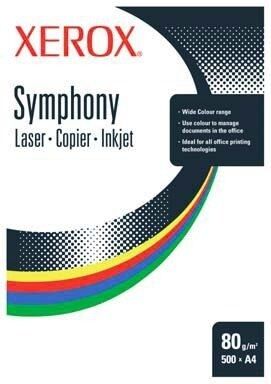
Xerox Symphony 160 A4, Green Card PW printing paperXerox Symphony 160 A4, Green Card PW. Media weight: 160 g/m², Product colour: Green, Printing media thickness: 200 ± 5 µm. Media sheets per package: 250 sheets, Paper dimensions: A4, Bleach type: ECF28,49 £*Shipping: 0,00 £Secure redirect to the provider
-
Scotch Heavy Duty Paper Packaging Tape 1.88in x 24.9yd - 1 RollScotch Heavy Duty Paper Packing Tape is a recycle-ready packaging tape with an extreme grip to ensure boxes stay securely sealed. Designed with durable solvent-free adhesive this moving tape creates a strong seal that secures up to 80 pounds of weight per box and is guaranteed to stay sealed (1). Its kraft paper finish provides a writable surface allowing you to easily label box contents add custom tags or write messages directly on the tape making it ideal for moving organizing and creative projects. This paper shipping tape can be left on the box and tossed in your curbside recycle bin for easy recycling. Whether you re shipping heavy items moving across the country or packing away seasonal decorations count on this adhesive tape to keep your boxes sealed with just one strip on each seam. Scotch Heavy Duty Paper Packing Tape is tear-by-hand for hassle-free application-no dispenser needed. One package contains one roll of box tape that is 1.88 in. x 24.9 yd. with a 3-in. core. (1) If your box doe16,49 £*Shipping: 0,00 £Secure redirect to the provider



-
'How do you perform linear interpolation in Excel?'
To perform linear interpolation in Excel, you can use the FORECAST function. First, arrange your data in two columns: one for the independent variable (e.g. time) and the other for the dependent variable (e.g. temperature). Then, use the FORECAST function to calculate the interpolated value for a given independent variable. Simply input the independent variable value into the function, along with the known x and y values, and Excel will calculate the interpolated y value using linear interpolation. **
-
How does linear interpolation between two angles work?
Linear interpolation between two angles works by finding the difference between the two angles and then dividing that difference by the number of steps between the two angles. This gives us the step size for each increment. We then add this step size to the starting angle to get the next interpolated angle, and continue this process until we reach the end angle. This creates a smooth transition between the two angles, allowing for gradual changes in direction or orientation. **
-
How can one avoid pixel interpolation in Photoshop?
To avoid pixel interpolation in Photoshop, you can start by working with high-resolution images to ensure that there are enough pixels to maintain image quality when resizing. When resizing an image, make sure to use the "Nearest Neighbor" option in the Image Size dialog box, which will preserve the original pixels without interpolation. Additionally, you can also use the "Preserve Details" option in the Image Size dialog box to maintain sharpness and detail when resizing images. These techniques will help you avoid pixel interpolation and maintain the quality of your images in Photoshop. **
-
What is the difference between interpolation, extrapolation, and regression?
Interpolation involves estimating values within the range of known data points. It is used to fill in missing data points or to estimate values between existing data points. Extrapolation, on the other hand, involves estimating values outside the range of known data points. It is used to predict values beyond the existing data range. Regression, on the other hand, is a statistical method used to model the relationship between a dependent variable and one or more independent variables. It is used to predict the value of the dependent variable based on the values of the independent variables. **


What is the difference between bicubic, bilinear, and nearest-neighbor interpolation?
Bicubic interpolation is a more complex method that uses a weighted average of 16 neighboring pixels to calculate the value of a new pixel. Bilinear interpolation uses a weighted average of the four nearest pixels to estimate the value of a new pixel. Nearest-neighbor interpolation simply assigns the value of the nearest pixel to the new pixel without any averaging. In general, bicubic interpolation produces the smoothest results, followed by bilinear interpolation, while nearest-neighbor interpolation tends to produce more pixelated and blocky results. **
How can I adjust the frame interpolation on the Epson EH-TW7000?
To adjust the frame interpolation on the Epson EH-TW7000, you can access the settings menu by pressing the Menu button on the remote control. From there, navigate to the Picture settings and look for the Frame Interpolation option. You can then adjust the frame interpolation setting to your preference, choosing between different levels or turning it off completely. Experiment with the settings to find the level that provides the smoothness you desire without causing any distortion or artifacts in the picture quality. **
Top-Angebote
Products related to Interpolation:
-
Xerox Premier White Paper, A4 100gsm printing paperFeatures:- Bleach Type: ECF. - Archival Life: ISO 9706 Permanent Paper. - Conforms to ISO9706.- Laser Star Rating: 5 - Copier Star Rating: 5 - Inkjet Star Rating: 4 - Offset Star Rating: 4 - Grain Direction: LONG.25,49 £*Shipping: 0,00 £Secure redirect to the provider
-
Xerox Premier 80gsm Printing Paper 500 Sheets White - A3Xerox Premier 80gsm white multipurpose paper, ream of 500 sheets, A3 (297 x 420 mm). Suitable for laser and inkjet printers, copiers and fax machines. Grammage 80 g/m², whiteness 165 CIE, opacity 91%, ECF bleached, ISO 9706 permanent (archival) paper. Manufacturer part number 003R91721.31,49 £*Shipping: 0,00 £Secure redirect to the provider
-
Xerox Premier 80gsm Printing Paper 500 Sheets White - A5Xerox Premier 80gsm white multipurpose paper, ream of 500 sheets, A5 (148 x 210 mm). Suitable for laser and inkjet printers, copiers and fax machines. Grammage 80 g/m², whiteness 165 CIE, opacity 91%, ECF bleached, ISO 9706 permanent (archival) paper. Manufacturer part number 003R91832.16,49 £*Shipping: 0,00 £Secure redirect to the provider
-
Xerox Symphony 160 A4, Green Card PW printing paperXerox Symphony 160 A4, Green Card PW. Media weight: 160 g/m², Product colour: Green, Printing media thickness: 200 ± 5 µm. Media sheets per package: 250 sheets, Paper dimensions: A4, Bleach type: ECF28,49 £*Shipping: 0,00 £Secure redirect to the provider
-
How does crosswise interpolation work?
Crosswise interpolation works by estimating the value of a data point between two known data points. It involves using the values of neighboring data points to make an educated guess about the value of the unknown data point. This can be done using various mathematical techniques such as linear interpolation, polynomial interpolation, or spline interpolation. The goal is to provide a smooth and continuous estimate of the data between the known points. **
-
What is the difference between interpolation and extrapolation?
Interpolation is the process of estimating values within the range of known data points. It involves using the existing data to make predictions or fill in missing values within the known range. On the other hand, extrapolation is the process of estimating values outside the range of known data points. It involves using the existing data to make predictions or extend the known range to make predictions about values beyond the known range. In summary, interpolation is about estimating within the known range, while extrapolation is about estimating beyond the known range. **
-
'How do you perform linear interpolation in Excel?'
To perform linear interpolation in Excel, you can use the FORECAST function. First, arrange your data in two columns: one for the independent variable (e.g. time) and the other for the dependent variable (e.g. temperature). Then, use the FORECAST function to calculate the interpolated value for a given independent variable. Simply input the independent variable value into the function, along with the known x and y values, and Excel will calculate the interpolated y value using linear interpolation. **
-
How does linear interpolation between two angles work?
Linear interpolation between two angles works by finding the difference between the two angles and then dividing that difference by the number of steps between the two angles. This gives us the step size for each increment. We then add this step size to the starting angle to get the next interpolated angle, and continue this process until we reach the end angle. This creates a smooth transition between the two angles, allowing for gradual changes in direction or orientation. **
Similar search terms for Interpolation
-
Scotch Heavy Duty Paper Packaging Tape 1.88in x 24.9yd - 1 RollScotch Heavy Duty Paper Packing Tape is a recycle-ready packaging tape with an extreme grip to ensure boxes stay securely sealed. Designed with durable solvent-free adhesive this moving tape creates a strong seal that secures up to 80 pounds of weight per box and is guaranteed to stay sealed (1). Its kraft paper finish provides a writable surface allowing you to easily label box contents add custom tags or write messages directly on the tape making it ideal for moving organizing and creative projects. This paper shipping tape can be left on the box and tossed in your curbside recycle bin for easy recycling. Whether you re shipping heavy items moving across the country or packing away seasonal decorations count on this adhesive tape to keep your boxes sealed with just one strip on each seam. Scotch Heavy Duty Paper Packing Tape is tear-by-hand for hassle-free application-no dispenser needed. One package contains one roll of box tape that is 1.88 in. x 24.9 yd. with a 3-in. core. (1) If your box doe16,49 £*Shipping: 0,00 £Secure redirect to the provider
-
HP Copy Paper 80g/m2 A4 500 sheets 5-pack printing paper A4 (210x297 mm) MatteHP Copy Paper is designed to run on all office equipment. Ideal for medium and large business, this paper is designed for high volume printing and is engineered to reduce the build-up of dust particles that can cause paper jams.39,99 £*Shipping: 0,00 £Secure redirect to the provider
-
How can one avoid pixel interpolation in Photoshop?
To avoid pixel interpolation in Photoshop, you can start by working with high-resolution images to ensure that there are enough pixels to maintain image quality when resizing. When resizing an image, make sure to use the "Nearest Neighbor" option in the Image Size dialog box, which will preserve the original pixels without interpolation. Additionally, you can also use the "Preserve Details" option in the Image Size dialog box to maintain sharpness and detail when resizing images. These techniques will help you avoid pixel interpolation and maintain the quality of your images in Photoshop. **
-
What is the difference between interpolation, extrapolation, and regression?
Interpolation involves estimating values within the range of known data points. It is used to fill in missing data points or to estimate values between existing data points. Extrapolation, on the other hand, involves estimating values outside the range of known data points. It is used to predict values beyond the existing data range. Regression, on the other hand, is a statistical method used to model the relationship between a dependent variable and one or more independent variables. It is used to predict the value of the dependent variable based on the values of the independent variables. **
-
What is the difference between bicubic, bilinear, and nearest-neighbor interpolation?
Bicubic interpolation is a more complex method that uses a weighted average of 16 neighboring pixels to calculate the value of a new pixel. Bilinear interpolation uses a weighted average of the four nearest pixels to estimate the value of a new pixel. Nearest-neighbor interpolation simply assigns the value of the nearest pixel to the new pixel without any averaging. In general, bicubic interpolation produces the smoothest results, followed by bilinear interpolation, while nearest-neighbor interpolation tends to produce more pixelated and blocky results. **
-
How can I adjust the frame interpolation on the Epson EH-TW7000?
To adjust the frame interpolation on the Epson EH-TW7000, you can access the settings menu by pressing the Menu button on the remote control. From there, navigate to the Picture settings and look for the Frame Interpolation option. You can then adjust the frame interpolation setting to your preference, choosing between different levels or turning it off completely. Experiment with the settings to find the level that provides the smoothness you desire without causing any distortion or artifacts in the picture quality. **
* All prices are inclusive of VAT and, if applicable, plus shipping costs. The offer information is based on the details provided by the respective shop and is updated through automated processes. Real-time updates do not occur, so deviations can occur in individual cases. ** Note: Parts of this content were created by AI.