Buy fontenuovasrl.eu ?
We are moving the project
fontenuovasrl.eu .
Are you interested in purchasing the domain
fontenuovasrl.eu ?
domain@kv-gmbh.de · 0541-91531010
Buy fontenuovasrl.eu ?
Are halogenoalkanes nonpolar?
Halogenoalkanes are generally considered to be polar molecules. This is because the carbon-halogen bond is polar due to the difference in electronegativity between carbon and the halogen atom. The halogen atom is more electronegative than carbon, causing a partial negative charge on the halogen and a partial positive charge on the carbon. This uneven distribution of charge results in a polar molecule. **
What are halogenoalkanes?
Halogenoalkanes, also known as alkyl halides, are organic compounds that contain one or more halogen atoms (fluorine, chlorine, bromine, or iodine) bonded to an alkane carbon chain. The general formula for halogenoalkanes is R-X, where R represents the alkyl group and X represents the halogen atom. These compounds are widely used in organic synthesis, as solvents, and as intermediates in the production of various chemicals. Halogenoalkanes are classified based on the number of halogen atoms attached to the alkane carbon chain, such as mono-, di-, or polyhalogenoalkanes. **


Similar search terms for Halogenoalkanes
Top-Angebote
Products related to Halogenoalkanes:
-
Xerox Premier 80gsm Printing Paper 500 Sheets White - A5Xerox Premier 80gsm white multipurpose paper, ream of 500 sheets, A5 (148 x 210 mm). Suitable for laser and inkjet printers, copiers and fax machines. Grammage 80 g/m², whiteness 165 CIE, opacity 91%, ECF bleached, ISO 9706 permanent (archival) paper. Manufacturer part number 003R91832.16,49 £*Shipping: 0,00 £Secure redirect to the provider
-
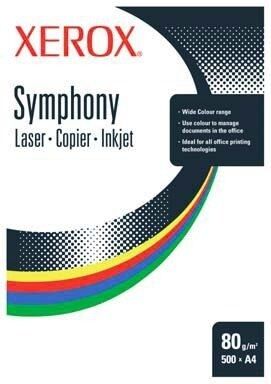
Xerox Symphony 160 A4, Green Card PW printing paperXerox Symphony 160 A4, Green Card PW. Media weight: 160 g/m², Product colour: Green, Printing media thickness: 200 ± 5 µm. Media sheets per package: 250 sheets, Paper dimensions: A4, Bleach type: ECF28,49 £*Shipping: 0,00 £Secure redirect to the provider
-
Scotch Heavy Duty Paper Packaging Tape 1.88in x 24.9yd - 1 RollScotch Heavy Duty Paper Packing Tape is a recycle-ready packaging tape with an extreme grip to ensure boxes stay securely sealed. Designed with durable solvent-free adhesive this moving tape creates a strong seal that secures up to 80 pounds of weight per box and is guaranteed to stay sealed (1). Its kraft paper finish provides a writable surface allowing you to easily label box contents add custom tags or write messages directly on the tape making it ideal for moving organizing and creative projects. This paper shipping tape can be left on the box and tossed in your curbside recycle bin for easy recycling. Whether you re shipping heavy items moving across the country or packing away seasonal decorations count on this adhesive tape to keep your boxes sealed with just one strip on each seam. Scotch Heavy Duty Paper Packing Tape is tear-by-hand for hassle-free application-no dispenser needed. One package contains one roll of box tape that is 1.88 in. x 24.9 yd. with a 3-in. core. (1) If your box doe16,49 £*Shipping: 0,00 £Secure redirect to the provider



-
Why are halogenoalkanes gaseous?
Halogenoalkanes are gaseous at room temperature because they have relatively weak intermolecular forces. The halogen atoms in halogenoalkanes are larger and more polarizable than other atoms, which leads to weaker van der Waals forces between molecules. As a result, halogenoalkanes have lower boiling points and are more likely to exist as gases at room temperature compared to other types of organic compounds. **
-
What is the nomenclature of halogenoalkanes?
Halogenoalkanes are named using the IUPAC system, where the halogen atom is treated as a substituent on an alkane chain. The halogen is named as a prefix (fluoro-, chloro-, bromo-, iodo-) followed by the alkane name indicating the number of carbon atoms in the longest chain. The position of the halogen atom is indicated by the number of the carbon atom it is attached to, starting from the end nearest to the halogen. If there are multiple halogen atoms, the positions are indicated by numbers separated by commas. **
-
What is the solubility of halogenoalkanes?
The solubility of halogenoalkanes, also known as alkyl halides, varies depending on the specific compound and the solvent. Generally, halogenoalkanes are not very soluble in water due to their non-polar nature and the strong dipole-dipole interactions between the halogen and the alkyl group. However, they are more soluble in organic solvents such as dichloromethane, chloroform, and ether due to their similar non-polar nature. The solubility of halogenoalkanes can also be influenced by the size and structure of the alkyl group and the type of halogen present in the molecule. **
-
Why was the use of halogenoalkanes heavily restricted?
The use of halogenoalkanes was heavily restricted due to their harmful effects on the environment and human health. Halogenoalkanes are known to be persistent organic pollutants that can bioaccumulate in the food chain, leading to long-term environmental damage. Additionally, some halogenoalkanes have been linked to ozone depletion and global warming. Therefore, restrictions were put in place to minimize their release into the environment and protect both ecosystems and human health. **


How are halogenoalkanes broken down in the atmosphere?
Halogenoalkanes are broken down in the atmosphere through a process called photolysis, which is the breaking down of molecules by sunlight. When halogenoalkanes are exposed to sunlight, the carbon-halogen bond is broken, releasing a halogen atom. This free halogen atom can then react with ozone in the atmosphere, leading to the depletion of the ozone layer. This process contributes to environmental issues such as ozone depletion and global warming. **
How can the proof of halogenoalkanes be provided?
The proof of halogenoalkanes can be provided through various chemical tests and reactions. One common test is the silver nitrate test, where halogenoalkanes react with silver nitrate to form a precipitate of silver halide. The color of the precipitate can help identify the specific halogen present in the halogenoalkane. Another test is the sodium hydroxide test, where halogenoalkanes react with sodium hydroxide to form a precipitate of the corresponding halide ion. Additionally, halogenoalkanes can undergo nucleophilic substitution reactions, where the halogen is replaced by a nucleophile, providing further evidence of their presence. **
Top-Angebote
Products related to Halogenoalkanes:
-
Xerox Premier White Paper, A4 100gsm printing paperFeatures:- Bleach Type: ECF. - Archival Life: ISO 9706 Permanent Paper. - Conforms to ISO9706.- Laser Star Rating: 5 - Copier Star Rating: 5 - Inkjet Star Rating: 4 - Offset Star Rating: 4 - Grain Direction: LONG.25,49 £*Shipping: 0,00 £Secure redirect to the provider
-
Xerox Premier 80gsm Printing Paper 500 Sheets White - A3Xerox Premier 80gsm white multipurpose paper, ream of 500 sheets, A3 (297 x 420 mm). Suitable for laser and inkjet printers, copiers and fax machines. Grammage 80 g/m², whiteness 165 CIE, opacity 91%, ECF bleached, ISO 9706 permanent (archival) paper. Manufacturer part number 003R91721.31,49 £*Shipping: 0,00 £Secure redirect to the provider
-
Xerox Premier 80gsm Printing Paper 500 Sheets White - A5Xerox Premier 80gsm white multipurpose paper, ream of 500 sheets, A5 (148 x 210 mm). Suitable for laser and inkjet printers, copiers and fax machines. Grammage 80 g/m², whiteness 165 CIE, opacity 91%, ECF bleached, ISO 9706 permanent (archival) paper. Manufacturer part number 003R91832.16,49 £*Shipping: 0,00 £Secure redirect to the provider
-
Xerox Symphony 160 A4, Green Card PW printing paperXerox Symphony 160 A4, Green Card PW. Media weight: 160 g/m², Product colour: Green, Printing media thickness: 200 ± 5 µm. Media sheets per package: 250 sheets, Paper dimensions: A4, Bleach type: ECF28,49 £*Shipping: 0,00 £Secure redirect to the provider
-
Are halogenoalkanes nonpolar?
Halogenoalkanes are generally considered to be polar molecules. This is because the carbon-halogen bond is polar due to the difference in electronegativity between carbon and the halogen atom. The halogen atom is more electronegative than carbon, causing a partial negative charge on the halogen and a partial positive charge on the carbon. This uneven distribution of charge results in a polar molecule. **
-
What are halogenoalkanes?
Halogenoalkanes, also known as alkyl halides, are organic compounds that contain one or more halogen atoms (fluorine, chlorine, bromine, or iodine) bonded to an alkane carbon chain. The general formula for halogenoalkanes is R-X, where R represents the alkyl group and X represents the halogen atom. These compounds are widely used in organic synthesis, as solvents, and as intermediates in the production of various chemicals. Halogenoalkanes are classified based on the number of halogen atoms attached to the alkane carbon chain, such as mono-, di-, or polyhalogenoalkanes. **
-
Why are halogenoalkanes gaseous?
Halogenoalkanes are gaseous at room temperature because they have relatively weak intermolecular forces. The halogen atoms in halogenoalkanes are larger and more polarizable than other atoms, which leads to weaker van der Waals forces between molecules. As a result, halogenoalkanes have lower boiling points and are more likely to exist as gases at room temperature compared to other types of organic compounds. **
-
What is the nomenclature of halogenoalkanes?
Halogenoalkanes are named using the IUPAC system, where the halogen atom is treated as a substituent on an alkane chain. The halogen is named as a prefix (fluoro-, chloro-, bromo-, iodo-) followed by the alkane name indicating the number of carbon atoms in the longest chain. The position of the halogen atom is indicated by the number of the carbon atom it is attached to, starting from the end nearest to the halogen. If there are multiple halogen atoms, the positions are indicated by numbers separated by commas. **
Similar search terms for Halogenoalkanes
-
Scotch Heavy Duty Paper Packaging Tape 1.88in x 24.9yd - 1 RollScotch Heavy Duty Paper Packing Tape is a recycle-ready packaging tape with an extreme grip to ensure boxes stay securely sealed. Designed with durable solvent-free adhesive this moving tape creates a strong seal that secures up to 80 pounds of weight per box and is guaranteed to stay sealed (1). Its kraft paper finish provides a writable surface allowing you to easily label box contents add custom tags or write messages directly on the tape making it ideal for moving organizing and creative projects. This paper shipping tape can be left on the box and tossed in your curbside recycle bin for easy recycling. Whether you re shipping heavy items moving across the country or packing away seasonal decorations count on this adhesive tape to keep your boxes sealed with just one strip on each seam. Scotch Heavy Duty Paper Packing Tape is tear-by-hand for hassle-free application-no dispenser needed. One package contains one roll of box tape that is 1.88 in. x 24.9 yd. with a 3-in. core. (1) If your box doe16,49 £*Shipping: 0,00 £Secure redirect to the provider
-
HP Copy Paper 80g/m2 A4 500 sheets 5-pack printing paper A4 (210x297 mm) MatteHP Copy Paper is designed to run on all office equipment. Ideal for medium and large business, this paper is designed for high volume printing and is engineered to reduce the build-up of dust particles that can cause paper jams.39,99 £*Shipping: 0,00 £Secure redirect to the provider
-
What is the solubility of halogenoalkanes?
The solubility of halogenoalkanes, also known as alkyl halides, varies depending on the specific compound and the solvent. Generally, halogenoalkanes are not very soluble in water due to their non-polar nature and the strong dipole-dipole interactions between the halogen and the alkyl group. However, they are more soluble in organic solvents such as dichloromethane, chloroform, and ether due to their similar non-polar nature. The solubility of halogenoalkanes can also be influenced by the size and structure of the alkyl group and the type of halogen present in the molecule. **
-
Why was the use of halogenoalkanes heavily restricted?
The use of halogenoalkanes was heavily restricted due to their harmful effects on the environment and human health. Halogenoalkanes are known to be persistent organic pollutants that can bioaccumulate in the food chain, leading to long-term environmental damage. Additionally, some halogenoalkanes have been linked to ozone depletion and global warming. Therefore, restrictions were put in place to minimize their release into the environment and protect both ecosystems and human health. **
-
How are halogenoalkanes broken down in the atmosphere?
Halogenoalkanes are broken down in the atmosphere through a process called photolysis, which is the breaking down of molecules by sunlight. When halogenoalkanes are exposed to sunlight, the carbon-halogen bond is broken, releasing a halogen atom. This free halogen atom can then react with ozone in the atmosphere, leading to the depletion of the ozone layer. This process contributes to environmental issues such as ozone depletion and global warming. **
-
How can the proof of halogenoalkanes be provided?
The proof of halogenoalkanes can be provided through various chemical tests and reactions. One common test is the silver nitrate test, where halogenoalkanes react with silver nitrate to form a precipitate of silver halide. The color of the precipitate can help identify the specific halogen present in the halogenoalkane. Another test is the sodium hydroxide test, where halogenoalkanes react with sodium hydroxide to form a precipitate of the corresponding halide ion. Additionally, halogenoalkanes can undergo nucleophilic substitution reactions, where the halogen is replaced by a nucleophile, providing further evidence of their presence. **
* All prices are inclusive of VAT and, if applicable, plus shipping costs. The offer information is based on the details provided by the respective shop and is updated through automated processes. Real-time updates do not occur, so deviations can occur in individual cases. ** Note: Parts of this content were created by AI.