Buy fontenuovasrl.eu ?
We are moving the project
fontenuovasrl.eu .
Are you interested in purchasing the domain
fontenuovasrl.eu ?
domain@kv-gmbh.de · 0541-91531010
Buy fontenuovasrl.eu ?
How are eudaimonia and daimonion connected in Socrates' philosophy?
In Socrates' philosophy, eudaimonia refers to human flourishing or living a fulfilling life. Daimonion, on the other hand, refers to a divine sign or inner voice that guides individuals towards what is right and virtuous. Socrates believed that following one's daimonion would lead to eudaimonia, as it would guide individuals towards living a virtuous and fulfilling life. Therefore, the connection between eudaimonia and daimonion lies in the belief that following one's inner divine sign will ultimately lead to a flourishing and fulfilling life. **
What are the differences and similarities between eudaimonia and deontology?
Eudaimonia and deontology are both ethical theories, but they differ in their approach. Eudaimonia, often associated with Aristotle, focuses on the concept of human flourishing and living a virtuous life to achieve happiness. Deontology, on the other hand, is a moral theory that emphasizes the importance of following rules and duties to determine what is right or wrong, regardless of the consequences. Both theories aim to guide individuals in making ethical decisions, but eudaimonia is more focused on the overall well-being and character development of a person, while deontology is more concerned with the principles and duties that should be followed in moral decision-making. **


Similar search terms for Eudaimonia
Top-Angebote
Products related to Eudaimonia:
-
Xerox Premier 80gsm Printing Paper 500 Sheets White - A5Xerox Premier 80gsm white multipurpose paper, ream of 500 sheets, A5 (148 x 210 mm). Suitable for laser and inkjet printers, copiers and fax machines. Grammage 80 g/m², whiteness 165 CIE, opacity 91%, ECF bleached, ISO 9706 permanent (archival) paper. Manufacturer part number 003R91832.16,49 £*Shipping: 0,00 £Secure redirect to the provider
-
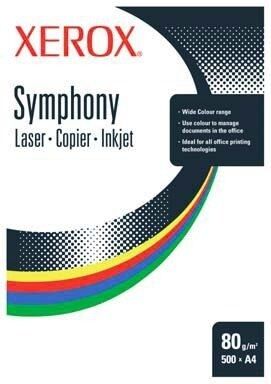
Xerox Symphony 160 A4, Green Card PW printing paperXerox Symphony 160 A4, Green Card PW. Media weight: 160 g/m², Product colour: Green, Printing media thickness: 200 ± 5 µm. Media sheets per package: 250 sheets, Paper dimensions: A4, Bleach type: ECF28,49 £*Shipping: 0,00 £Secure redirect to the provider
-
Scotch Heavy Duty Paper Packaging Tape 1.88in x 24.9yd - 1 RollScotch Heavy Duty Paper Packing Tape is a recycle-ready packaging tape with an extreme grip to ensure boxes stay securely sealed. Designed with durable solvent-free adhesive this moving tape creates a strong seal that secures up to 80 pounds of weight per box and is guaranteed to stay sealed (1). Its kraft paper finish provides a writable surface allowing you to easily label box contents add custom tags or write messages directly on the tape making it ideal for moving organizing and creative projects. This paper shipping tape can be left on the box and tossed in your curbside recycle bin for easy recycling. Whether you re shipping heavy items moving across the country or packing away seasonal decorations count on this adhesive tape to keep your boxes sealed with just one strip on each seam. Scotch Heavy Duty Paper Packing Tape is tear-by-hand for hassle-free application-no dispenser needed. One package contains one roll of box tape that is 1.88 in. x 24.9 yd. with a 3-in. core. (1) If your box doe16,49 £*Shipping: 0,00 £Secure redirect to the provider



-
How are reason, language, and eudaimonia connected according to Aristotle?
According to Aristotle, reason, language, and eudaimonia are interconnected in the pursuit of human flourishing. Reason allows humans to engage in rational thought and make choices that lead to a virtuous and fulfilling life. Language enables individuals to communicate and express their thoughts, allowing for the sharing of knowledge and the development of moral virtues. Eudaimonia, or human flourishing, is achieved through the cultivation of virtues and the use of reason to make choices that lead to a life of purpose and fulfillment. Therefore, reason and language are essential tools in the pursuit of eudaimonia, as they enable individuals to develop and express their moral virtues and make choices that lead to a flourishing life. **
-
How are Eudaimonia and Daimonion related in the philosophy of Socrates?
In the philosophy of Socrates, Eudaimonia refers to human flourishing or living a life of fulfillment and happiness. Daimonion, on the other hand, refers to the inner voice or guiding spirit that Socrates believed each person possessed. Socrates believed that by following one's daimonion and living a virtuous life, one could achieve eudaimonia. Therefore, the relationship between Eudaimonia and Daimonion in Socrates' philosophy is that by listening to and following one's inner voice or daimonion, one can achieve a state of eudaimonia or true happiness and fulfillment. **
-
How are eudaimonia and daimonion related in the philosophy of Socrates?
In the philosophy of Socrates, eudaimonia refers to human flourishing or living a life of virtue and excellence. Daimonion, on the other hand, refers to the inner voice or guiding spirit that Socrates believed was a divine sign guiding him towards moral decisions. Socrates believed that following the guidance of his daimonion would lead to eudaimonia, as it would help him make virtuous choices and live a life in accordance with reason and moral principles. Thus, the relationship between eudaimonia and daimonion in Socrates' philosophy is that following the inner voice of daimonion is essential for achieving eudaimonia or human flourishing. **
-
How can one best differentiate between happiness, bliss, and eudaimonia according to Aristotle?
According to Aristotle, happiness (eudaimonia) is the ultimate goal of human life and is achieved through the cultivation of virtue and the fulfillment of one's potential. Bliss, on the other hand, is a state of extreme joy or contentment, often temporary and dependent on external circumstances. To differentiate between the two, one must consider that happiness is a more enduring and holistic state, encompassing a sense of fulfillment and purpose, while bliss is a fleeting emotional experience. Ultimately, Aristotle's concept of eudaimonia emphasizes the importance of living a virtuous and meaningful life, which goes beyond mere pleasure or temporary joy. **


Why, according to Aristotle, is happiness (Eudaimonia) not equivalent to having good luck (Eutychia)?
According to Aristotle, happiness (Eudaimonia) is not equivalent to having good luck (Eutychia) because happiness is a state of being that is achieved through virtuous actions and living a life in accordance with reason and moral virtue. Good luck, on the other hand, is external and based on chance or circumstances beyond one's control. Aristotle believed that true happiness comes from within and is the result of living a life of virtue, rather than relying on external factors like luck. **
Why, according to Aristotle, is happiness (Eudaimonia) not to be equated with having good luck (Eutychia)?
According to Aristotle, happiness (Eudaimonia) is not to be equated with having good luck (Eutychia) because happiness is not dependent on external circumstances or luck. Instead, happiness is the result of living a virtuous and fulfilling life, which requires deliberate action and cultivation of moral character. Good luck, on the other hand, is based on external factors that are beyond our control, and therefore cannot be the ultimate source of true and lasting happiness. Aristotle believed that true happiness comes from within, through the practice of virtue and the development of a well-lived life. **
Top-Angebote
Products related to Eudaimonia:
-
Xerox Premier White Paper, A4 100gsm printing paperFeatures:- Bleach Type: ECF. - Archival Life: ISO 9706 Permanent Paper. - Conforms to ISO9706.- Laser Star Rating: 5 - Copier Star Rating: 5 - Inkjet Star Rating: 4 - Offset Star Rating: 4 - Grain Direction: LONG.25,49 £*Shipping: 0,00 £Secure redirect to the provider
-
Xerox Premier 80gsm Printing Paper 500 Sheets White - A3Xerox Premier 80gsm white multipurpose paper, ream of 500 sheets, A3 (297 x 420 mm). Suitable for laser and inkjet printers, copiers and fax machines. Grammage 80 g/m², whiteness 165 CIE, opacity 91%, ECF bleached, ISO 9706 permanent (archival) paper. Manufacturer part number 003R91721.31,49 £*Shipping: 0,00 £Secure redirect to the provider
-
Xerox Premier 80gsm Printing Paper 500 Sheets White - A5Xerox Premier 80gsm white multipurpose paper, ream of 500 sheets, A5 (148 x 210 mm). Suitable for laser and inkjet printers, copiers and fax machines. Grammage 80 g/m², whiteness 165 CIE, opacity 91%, ECF bleached, ISO 9706 permanent (archival) paper. Manufacturer part number 003R91832.16,49 £*Shipping: 0,00 £Secure redirect to the provider
-
Xerox Symphony 160 A4, Green Card PW printing paperXerox Symphony 160 A4, Green Card PW. Media weight: 160 g/m², Product colour: Green, Printing media thickness: 200 ± 5 µm. Media sheets per package: 250 sheets, Paper dimensions: A4, Bleach type: ECF28,49 £*Shipping: 0,00 £Secure redirect to the provider
-
How are eudaimonia and daimonion connected in Socrates' philosophy?
In Socrates' philosophy, eudaimonia refers to human flourishing or living a fulfilling life. Daimonion, on the other hand, refers to a divine sign or inner voice that guides individuals towards what is right and virtuous. Socrates believed that following one's daimonion would lead to eudaimonia, as it would guide individuals towards living a virtuous and fulfilling life. Therefore, the connection between eudaimonia and daimonion lies in the belief that following one's inner divine sign will ultimately lead to a flourishing and fulfilling life. **
-
What are the differences and similarities between eudaimonia and deontology?
Eudaimonia and deontology are both ethical theories, but they differ in their approach. Eudaimonia, often associated with Aristotle, focuses on the concept of human flourishing and living a virtuous life to achieve happiness. Deontology, on the other hand, is a moral theory that emphasizes the importance of following rules and duties to determine what is right or wrong, regardless of the consequences. Both theories aim to guide individuals in making ethical decisions, but eudaimonia is more focused on the overall well-being and character development of a person, while deontology is more concerned with the principles and duties that should be followed in moral decision-making. **
-
How are reason, language, and eudaimonia connected according to Aristotle?
According to Aristotle, reason, language, and eudaimonia are interconnected in the pursuit of human flourishing. Reason allows humans to engage in rational thought and make choices that lead to a virtuous and fulfilling life. Language enables individuals to communicate and express their thoughts, allowing for the sharing of knowledge and the development of moral virtues. Eudaimonia, or human flourishing, is achieved through the cultivation of virtues and the use of reason to make choices that lead to a life of purpose and fulfillment. Therefore, reason and language are essential tools in the pursuit of eudaimonia, as they enable individuals to develop and express their moral virtues and make choices that lead to a flourishing life. **
-
How are Eudaimonia and Daimonion related in the philosophy of Socrates?
In the philosophy of Socrates, Eudaimonia refers to human flourishing or living a life of fulfillment and happiness. Daimonion, on the other hand, refers to the inner voice or guiding spirit that Socrates believed each person possessed. Socrates believed that by following one's daimonion and living a virtuous life, one could achieve eudaimonia. Therefore, the relationship between Eudaimonia and Daimonion in Socrates' philosophy is that by listening to and following one's inner voice or daimonion, one can achieve a state of eudaimonia or true happiness and fulfillment. **
Similar search terms for Eudaimonia
-
Scotch Heavy Duty Paper Packaging Tape 1.88in x 24.9yd - 1 RollScotch Heavy Duty Paper Packing Tape is a recycle-ready packaging tape with an extreme grip to ensure boxes stay securely sealed. Designed with durable solvent-free adhesive this moving tape creates a strong seal that secures up to 80 pounds of weight per box and is guaranteed to stay sealed (1). Its kraft paper finish provides a writable surface allowing you to easily label box contents add custom tags or write messages directly on the tape making it ideal for moving organizing and creative projects. This paper shipping tape can be left on the box and tossed in your curbside recycle bin for easy recycling. Whether you re shipping heavy items moving across the country or packing away seasonal decorations count on this adhesive tape to keep your boxes sealed with just one strip on each seam. Scotch Heavy Duty Paper Packing Tape is tear-by-hand for hassle-free application-no dispenser needed. One package contains one roll of box tape that is 1.88 in. x 24.9 yd. with a 3-in. core. (1) If your box doe16,49 £*Shipping: 0,00 £Secure redirect to the provider
-
HP Copy Paper 80g/m2 A4 500 sheets 5-pack printing paper A4 (210x297 mm) MatteHP Copy Paper is designed to run on all office equipment. Ideal for medium and large business, this paper is designed for high volume printing and is engineered to reduce the build-up of dust particles that can cause paper jams.39,99 £*Shipping: 0,00 £Secure redirect to the provider
-
How are eudaimonia and daimonion related in the philosophy of Socrates?
In the philosophy of Socrates, eudaimonia refers to human flourishing or living a life of virtue and excellence. Daimonion, on the other hand, refers to the inner voice or guiding spirit that Socrates believed was a divine sign guiding him towards moral decisions. Socrates believed that following the guidance of his daimonion would lead to eudaimonia, as it would help him make virtuous choices and live a life in accordance with reason and moral principles. Thus, the relationship between eudaimonia and daimonion in Socrates' philosophy is that following the inner voice of daimonion is essential for achieving eudaimonia or human flourishing. **
-
How can one best differentiate between happiness, bliss, and eudaimonia according to Aristotle?
According to Aristotle, happiness (eudaimonia) is the ultimate goal of human life and is achieved through the cultivation of virtue and the fulfillment of one's potential. Bliss, on the other hand, is a state of extreme joy or contentment, often temporary and dependent on external circumstances. To differentiate between the two, one must consider that happiness is a more enduring and holistic state, encompassing a sense of fulfillment and purpose, while bliss is a fleeting emotional experience. Ultimately, Aristotle's concept of eudaimonia emphasizes the importance of living a virtuous and meaningful life, which goes beyond mere pleasure or temporary joy. **
-
Why, according to Aristotle, is happiness (Eudaimonia) not equivalent to having good luck (Eutychia)?
According to Aristotle, happiness (Eudaimonia) is not equivalent to having good luck (Eutychia) because happiness is a state of being that is achieved through virtuous actions and living a life in accordance with reason and moral virtue. Good luck, on the other hand, is external and based on chance or circumstances beyond one's control. Aristotle believed that true happiness comes from within and is the result of living a life of virtue, rather than relying on external factors like luck. **
-
Why, according to Aristotle, is happiness (Eudaimonia) not to be equated with having good luck (Eutychia)?
According to Aristotle, happiness (Eudaimonia) is not to be equated with having good luck (Eutychia) because happiness is not dependent on external circumstances or luck. Instead, happiness is the result of living a virtuous and fulfilling life, which requires deliberate action and cultivation of moral character. Good luck, on the other hand, is based on external factors that are beyond our control, and therefore cannot be the ultimate source of true and lasting happiness. Aristotle believed that true happiness comes from within, through the practice of virtue and the development of a well-lived life. **
* All prices are inclusive of VAT and, if applicable, plus shipping costs. The offer information is based on the details provided by the respective shop and is updated through automated processes. Real-time updates do not occur, so deviations can occur in individual cases. ** Note: Parts of this content were created by AI.