Buy fontenuovasrl.eu ?
We are moving the project
fontenuovasrl.eu .
Are you interested in purchasing the domain
fontenuovasrl.eu ?
domain@kv-gmbh.de · 0541-91531010
Buy fontenuovasrl.eu ?
Did Poland surrender in 1939?
Yes, Poland did surrender in 1939 after being invaded by both Germany and the Soviet Union. The invasion of Poland marked the beginning of World War II. Despite putting up a valiant defense, Poland was unable to withstand the combined forces of the two powerful aggressors and was forced to surrender. This led to the occupation of Poland by both Germany and the Soviet Union for the duration of the war. **
What happened between 1930 and 1939?
During the period between 1930 and 1939, the world experienced significant events such as the Great Depression, which began in 1929 and lasted throughout the 1930s, leading to widespread economic hardship. In addition, political tensions were rising in Europe, particularly with the rise of fascist regimes in countries like Germany and Italy. This decade also saw the outbreak of World War II in 1939, marking a turning point in global history and leading to widespread devastation and loss of life. **

Similar search terms for 1939
Top-Angebote
Products related to 1939:
-
Xerox Premier 80gsm Printing Paper 500 Sheets White - A3Xerox Premier 80gsm white multipurpose paper, ream of 500 sheets, A3 (297 x 420 mm). Suitable for laser and inkjet printers, copiers and fax machines. Grammage 80 g/m², whiteness 165 CIE, opacity 91%, ECF bleached, ISO 9706 permanent (archival) paper. Manufacturer part number 003R91721.31,49 £*Shipping: 0,00 £Secure redirect to the provider
-
Xerox Premier 80gsm Printing Paper 500 Sheets White - A5Xerox Premier 80gsm white multipurpose paper, ream of 500 sheets, A5 (148 x 210 mm). Suitable for laser and inkjet printers, copiers and fax machines. Grammage 80 g/m², whiteness 165 CIE, opacity 91%, ECF bleached, ISO 9706 permanent (archival) paper. Manufacturer part number 003R91832.16,49 £*Shipping: 0,00 £Secure redirect to the provider
-
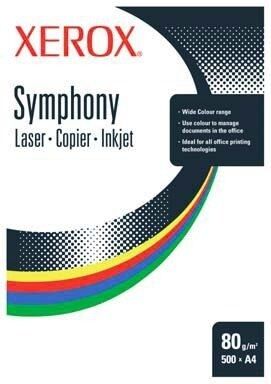
Xerox Symphony 160 A4, Green Card PW printing paperXerox Symphony 160 A4, Green Card PW. Media weight: 160 g/m², Product colour: Green, Printing media thickness: 200 ± 5 µm. Media sheets per package: 250 sheets, Paper dimensions: A4, Bleach type: ECF28,49 £*Shipping: 0,00 £Secure redirect to the provider
-
Scotch Heavy Duty Paper Packaging Tape 1.88in x 24.9yd - 1 RollScotch Heavy Duty Paper Packing Tape is a recycle-ready packaging tape with an extreme grip to ensure boxes stay securely sealed. Designed with durable solvent-free adhesive this moving tape creates a strong seal that secures up to 80 pounds of weight per box and is guaranteed to stay sealed (1). Its kraft paper finish provides a writable surface allowing you to easily label box contents add custom tags or write messages directly on the tape making it ideal for moving organizing and creative projects. This paper shipping tape can be left on the box and tossed in your curbside recycle bin for easy recycling. Whether you re shipping heavy items moving across the country or packing away seasonal decorations count on this adhesive tape to keep your boxes sealed with just one strip on each seam. Scotch Heavy Duty Paper Packing Tape is tear-by-hand for hassle-free application-no dispenser needed. One package contains one roll of box tape that is 1.88 in. x 24.9 yd. with a 3-in. core. (1) If your box doe16,49 £*Shipping: 0,00 £Secure redirect to the provider



-
What happened in the year 1939?
In 1939, several significant events occurred. World War II began with the invasion of Poland by Nazi Germany on September 1st, leading to the outbreak of a global conflict. The Spanish Civil War also came to an end with the victory of Francisco Franco's Nationalist forces. Additionally, the New York World's Fair opened, showcasing the latest technological and cultural advancements of the time. Lastly, the film "Gone with the Wind" premiered in Atlanta, becoming a major success and a classic of American cinema. **
-
Why did Hitler attack Poland in 1939?
Hitler attacked Poland in 1939 as part of his expansionist goals to create a greater German empire. He believed in the concept of Lebensraum, or living space, for the German people and sought to annex territories in Eastern Europe. The invasion of Poland also allowed Hitler to test the military strength of his forces and gauge the reactions of other European powers. Ultimately, the attack on Poland marked the beginning of World War II as it prompted Britain and France to declare war on Germany. **
-
Where was Hitler between 1918 and 1939?
Between 1918 and 1939, Adolf Hitler was primarily in Germany. After World War I, he returned to Munich and became involved in politics, eventually leading the National Socialist German Workers' Party (Nazi Party). He was imprisoned for a failed coup in 1923 and wrote his infamous book, Mein Kampf, during his time in prison. After his release, he focused on rebuilding the Nazi Party and gaining political power, eventually becoming Chancellor of Germany in 1933 and later consolidating his power as dictator. **
-
What does this cartoon from 1939 mean?
The cartoon from 1939 depicts a group of men labeled as "dictators" (representing Adolf Hitler, Benito Mussolini, and Joseph Stalin) sitting around a table with a map of the world as a game board. They are playing a game of "world domination" with the pieces representing different countries. The cartoon is a satirical commentary on the aggressive expansionist policies of these dictators and their desire to conquer and control as much territory as possible. It also criticizes their disregard for the sovereignty and well-being of the countries they seek to dominate. **


What was the Enabling Act of 1939?
The Enabling Act of 1939 was a law passed by the German Reichstag that gave Adolf Hitler the power to enact laws without the involvement of the Reichstag or the President. This effectively allowed Hitler to rule by decree and consolidate his power as the dictator of Germany. The Enabling Act was a key step in the establishment of the Nazi dictatorship and the erosion of democratic institutions in Germany. It gave Hitler the legal authority to implement his radical agenda, including the persecution of Jews and other minority groups. **
Is it allowed to keep Reichsmarks from 1939?
No, it is not allowed to keep Reichsmarks from 1939 as they are considered historical artifacts and are no longer legal tender. It is recommended to exchange them at a bank or with a currency collector. Keeping them for personal use or trade is not permitted. **
Top-Angebote
Products related to 1939:
-
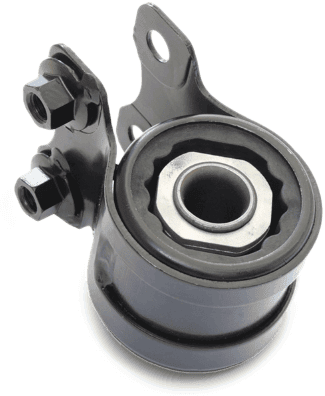
MOOG TO-SB-1939 Trailing arm / Suspension arm bushDiameter: 20,2; Length [mm]: 52,5; Height: 61; Container Type: Bag; Packaging length [cm]: 6,5; Packaging width [cm]: 5,5; Packaging height [cm]: 5,5; Fitting Position: Front Axle, inner, Rear7,29 £*Shipping: 8,45 £Secure redirect to the provider
-
Xerox Premier White Paper, A4 100gsm printing paperFeatures:- Bleach Type: ECF. - Archival Life: ISO 9706 Permanent Paper. - Conforms to ISO9706.- Laser Star Rating: 5 - Copier Star Rating: 5 - Inkjet Star Rating: 4 - Offset Star Rating: 4 - Grain Direction: LONG.25,49 £*Shipping: 0,00 £Secure redirect to the provider
-
Xerox Premier 80gsm Printing Paper 500 Sheets White - A3Xerox Premier 80gsm white multipurpose paper, ream of 500 sheets, A3 (297 x 420 mm). Suitable for laser and inkjet printers, copiers and fax machines. Grammage 80 g/m², whiteness 165 CIE, opacity 91%, ECF bleached, ISO 9706 permanent (archival) paper. Manufacturer part number 003R91721.31,49 £*Shipping: 0,00 £Secure redirect to the provider
-
Xerox Premier 80gsm Printing Paper 500 Sheets White - A5Xerox Premier 80gsm white multipurpose paper, ream of 500 sheets, A5 (148 x 210 mm). Suitable for laser and inkjet printers, copiers and fax machines. Grammage 80 g/m², whiteness 165 CIE, opacity 91%, ECF bleached, ISO 9706 permanent (archival) paper. Manufacturer part number 003R91832.16,49 £*Shipping: 0,00 £Secure redirect to the provider
-
Did Poland surrender in 1939?
Yes, Poland did surrender in 1939 after being invaded by both Germany and the Soviet Union. The invasion of Poland marked the beginning of World War II. Despite putting up a valiant defense, Poland was unable to withstand the combined forces of the two powerful aggressors and was forced to surrender. This led to the occupation of Poland by both Germany and the Soviet Union for the duration of the war. **
-
What happened between 1930 and 1939?
During the period between 1930 and 1939, the world experienced significant events such as the Great Depression, which began in 1929 and lasted throughout the 1930s, leading to widespread economic hardship. In addition, political tensions were rising in Europe, particularly with the rise of fascist regimes in countries like Germany and Italy. This decade also saw the outbreak of World War II in 1939, marking a turning point in global history and leading to widespread devastation and loss of life. **
-
What happened in the year 1939?
In 1939, several significant events occurred. World War II began with the invasion of Poland by Nazi Germany on September 1st, leading to the outbreak of a global conflict. The Spanish Civil War also came to an end with the victory of Francisco Franco's Nationalist forces. Additionally, the New York World's Fair opened, showcasing the latest technological and cultural advancements of the time. Lastly, the film "Gone with the Wind" premiered in Atlanta, becoming a major success and a classic of American cinema. **
-
Why did Hitler attack Poland in 1939?
Hitler attacked Poland in 1939 as part of his expansionist goals to create a greater German empire. He believed in the concept of Lebensraum, or living space, for the German people and sought to annex territories in Eastern Europe. The invasion of Poland also allowed Hitler to test the military strength of his forces and gauge the reactions of other European powers. Ultimately, the attack on Poland marked the beginning of World War II as it prompted Britain and France to declare war on Germany. **
Similar search terms for 1939
-
Xerox Symphony 160 A4, Green Card PW printing paperXerox Symphony 160 A4, Green Card PW. Media weight: 160 g/m², Product colour: Green, Printing media thickness: 200 ± 5 µm. Media sheets per package: 250 sheets, Paper dimensions: A4, Bleach type: ECF28,49 £*Shipping: 0,00 £Secure redirect to the provider
-
Scotch Heavy Duty Paper Packaging Tape 1.88in x 24.9yd - 1 RollScotch Heavy Duty Paper Packing Tape is a recycle-ready packaging tape with an extreme grip to ensure boxes stay securely sealed. Designed with durable solvent-free adhesive this moving tape creates a strong seal that secures up to 80 pounds of weight per box and is guaranteed to stay sealed (1). Its kraft paper finish provides a writable surface allowing you to easily label box contents add custom tags or write messages directly on the tape making it ideal for moving organizing and creative projects. This paper shipping tape can be left on the box and tossed in your curbside recycle bin for easy recycling. Whether you re shipping heavy items moving across the country or packing away seasonal decorations count on this adhesive tape to keep your boxes sealed with just one strip on each seam. Scotch Heavy Duty Paper Packing Tape is tear-by-hand for hassle-free application-no dispenser needed. One package contains one roll of box tape that is 1.88 in. x 24.9 yd. with a 3-in. core. (1) If your box doe16,49 £*Shipping: 0,00 £Secure redirect to the provider
-
Where was Hitler between 1918 and 1939?
Between 1918 and 1939, Adolf Hitler was primarily in Germany. After World War I, he returned to Munich and became involved in politics, eventually leading the National Socialist German Workers' Party (Nazi Party). He was imprisoned for a failed coup in 1923 and wrote his infamous book, Mein Kampf, during his time in prison. After his release, he focused on rebuilding the Nazi Party and gaining political power, eventually becoming Chancellor of Germany in 1933 and later consolidating his power as dictator. **
-
What does this cartoon from 1939 mean?
The cartoon from 1939 depicts a group of men labeled as "dictators" (representing Adolf Hitler, Benito Mussolini, and Joseph Stalin) sitting around a table with a map of the world as a game board. They are playing a game of "world domination" with the pieces representing different countries. The cartoon is a satirical commentary on the aggressive expansionist policies of these dictators and their desire to conquer and control as much territory as possible. It also criticizes their disregard for the sovereignty and well-being of the countries they seek to dominate. **
-
What was the Enabling Act of 1939?
The Enabling Act of 1939 was a law passed by the German Reichstag that gave Adolf Hitler the power to enact laws without the involvement of the Reichstag or the President. This effectively allowed Hitler to rule by decree and consolidate his power as the dictator of Germany. The Enabling Act was a key step in the establishment of the Nazi dictatorship and the erosion of democratic institutions in Germany. It gave Hitler the legal authority to implement his radical agenda, including the persecution of Jews and other minority groups. **
-
Is it allowed to keep Reichsmarks from 1939?
No, it is not allowed to keep Reichsmarks from 1939 as they are considered historical artifacts and are no longer legal tender. It is recommended to exchange them at a bank or with a currency collector. Keeping them for personal use or trade is not permitted. **
* All prices are inclusive of VAT and, if applicable, plus shipping costs. The offer information is based on the details provided by the respective shop and is updated through automated processes. Real-time updates do not occur, so deviations can occur in individual cases. ** Note: Parts of this content were created by AI.