Buy fontenuovasrl.eu ?
We are moving the project
fontenuovasrl.eu .
Are you interested in purchasing the domain
fontenuovasrl.eu ?
domain@kv-gmbh.de · 0541-91531010
Buy fontenuovasrl.eu ?
What are similarity ratios?
Similarity ratios are ratios that compare the corresponding sides of two similar figures. They help us understand the relationship between the sides of similar shapes. The ratio of corresponding sides in similar figures is always the same, which means that if you know the ratio of one pair of sides, you can use it to find the ratio of other pairs of sides. Similarity ratios are important in geometry and are used to solve problems involving similar figures. **
What is the difference between similarity theorem 1 and similarity theorem 2?
Similarity theorem 1, also known as the Angle-Angle (AA) similarity theorem, states that if two angles of one triangle are congruent to two angles of another triangle, then the triangles are similar. On the other hand, similarity theorem 2, also known as the Side-Angle-Side (SAS) similarity theorem, states that if two sides of one triangle are proportional to two sides of another triangle and the included angles are congruent, then the triangles are similar. The main difference between the two theorems is the criteria for establishing similarity - AA theorem focuses on angle congruence, while SAS theorem focuses on both side proportionality and angle congruence. **


Similar search terms for Similarity
Top-Angebote
Products related to Similarity:
-
Xerox Premier 80gsm Printing Paper 500 Sheets White - A5Xerox Premier 80gsm white multipurpose paper, ream of 500 sheets, A5 (148 x 210 mm). Suitable for laser and inkjet printers, copiers and fax machines. Grammage 80 g/m², whiteness 165 CIE, opacity 91%, ECF bleached, ISO 9706 permanent (archival) paper. Manufacturer part number 003R91832.16,49 £*Shipping: 0,00 £Secure redirect to the provider
-
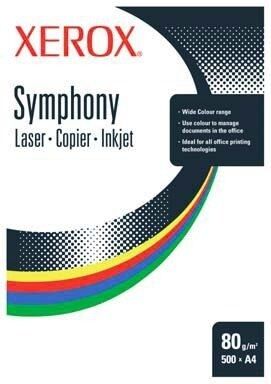
Xerox Symphony 160 A4, Green Card PW printing paperXerox Symphony 160 A4, Green Card PW. Media weight: 160 g/m², Product colour: Green, Printing media thickness: 200 ± 5 µm. Media sheets per package: 250 sheets, Paper dimensions: A4, Bleach type: ECF28,49 £*Shipping: 0,00 £Secure redirect to the provider
-
Scotch Heavy Duty Paper Packaging Tape 1.88in x 24.9yd - 1 RollScotch Heavy Duty Paper Packing Tape is a recycle-ready packaging tape with an extreme grip to ensure boxes stay securely sealed. Designed with durable solvent-free adhesive this moving tape creates a strong seal that secures up to 80 pounds of weight per box and is guaranteed to stay sealed (1). Its kraft paper finish provides a writable surface allowing you to easily label box contents add custom tags or write messages directly on the tape making it ideal for moving organizing and creative projects. This paper shipping tape can be left on the box and tossed in your curbside recycle bin for easy recycling. Whether you re shipping heavy items moving across the country or packing away seasonal decorations count on this adhesive tape to keep your boxes sealed with just one strip on each seam. Scotch Heavy Duty Paper Packing Tape is tear-by-hand for hassle-free application-no dispenser needed. One package contains one roll of box tape that is 1.88 in. x 24.9 yd. with a 3-in. core. (1) If your box doe16,49 £*Shipping: 0,00 £Secure redirect to the provider



-
How can one calculate the similarity factor to determine the similarity of triangles?
The similarity factor can be calculated by comparing the corresponding sides of two triangles. To do this, one can divide the length of one side of the first triangle by the length of the corresponding side of the second triangle. This process is repeated for all three pairs of corresponding sides. If the ratios of the corresponding sides are equal, then the triangles are similar, and the similarity factor will be 1. If the ratios are not equal, the similarity factor will be the ratio of the two triangles' areas. **
-
How can the similarity factor for determining the similarity of triangles be calculated?
The similarity factor for determining the similarity of triangles can be calculated by comparing the corresponding sides of the two triangles. If the ratio of the lengths of the corresponding sides of the two triangles is the same, then the triangles are similar. This ratio can be calculated by dividing the length of one side of a triangle by the length of the corresponding side of the other triangle. If all three ratios of corresponding sides are equal, then the triangles are similar. This is known as the similarity factor and is used to determine the similarity of triangles. **
-
What is the similarity ratio?
The similarity ratio is a comparison of the corresponding sides of two similar figures. It is used to determine how the dimensions of one figure compare to the dimensions of another figure when they are similar. The ratio is calculated by dividing the length of a side of one figure by the length of the corresponding side of the other figure. This ratio remains constant for all pairs of corresponding sides in similar figures. **
-
What is similarity in mathematics?
In mathematics, similarity refers to the relationship between two objects or shapes that have the same shape but are not necessarily the same size. This means that the objects are proportional to each other, with corresponding angles being equal and corresponding sides being in the same ratio. Similarity is often used in geometry to compare and analyze shapes, allowing for the transfer of properties and measurements from one shape to another. **


Do you see the similarity?
Yes, I see the similarity between the two concepts. Both share common characteristics and features that make them comparable. The similarities can be observed in their structure, function, and behavior. These similarities help in understanding and drawing parallels between the two concepts. **
'How do you prove similarity?'
Similarity between two objects can be proven using various methods. One common method is to show that the corresponding angles of the two objects are congruent, and that the corresponding sides are in proportion to each other. Another method is to use transformations such as dilation, where one object can be scaled up or down to match the other object. Additionally, if the ratio of the lengths of corresponding sides is equal, then the two objects are similar. These methods can be used to prove similarity in geometric figures such as triangles or other polygons. **
Top-Angebote
Products related to Similarity:
-
Xerox Premier White Paper, A4 100gsm printing paperFeatures:- Bleach Type: ECF. - Archival Life: ISO 9706 Permanent Paper. - Conforms to ISO9706.- Laser Star Rating: 5 - Copier Star Rating: 5 - Inkjet Star Rating: 4 - Offset Star Rating: 4 - Grain Direction: LONG.25,49 £*Shipping: 0,00 £Secure redirect to the provider
-
Xerox Premier 80gsm Printing Paper 500 Sheets White - A3Xerox Premier 80gsm white multipurpose paper, ream of 500 sheets, A3 (297 x 420 mm). Suitable for laser and inkjet printers, copiers and fax machines. Grammage 80 g/m², whiteness 165 CIE, opacity 91%, ECF bleached, ISO 9706 permanent (archival) paper. Manufacturer part number 003R91721.31,49 £*Shipping: 0,00 £Secure redirect to the provider
-
Xerox Premier 80gsm Printing Paper 500 Sheets White - A5Xerox Premier 80gsm white multipurpose paper, ream of 500 sheets, A5 (148 x 210 mm). Suitable for laser and inkjet printers, copiers and fax machines. Grammage 80 g/m², whiteness 165 CIE, opacity 91%, ECF bleached, ISO 9706 permanent (archival) paper. Manufacturer part number 003R91832.16,49 £*Shipping: 0,00 £Secure redirect to the provider
-
Xerox Symphony 160 A4, Green Card PW printing paperXerox Symphony 160 A4, Green Card PW. Media weight: 160 g/m², Product colour: Green, Printing media thickness: 200 ± 5 µm. Media sheets per package: 250 sheets, Paper dimensions: A4, Bleach type: ECF28,49 £*Shipping: 0,00 £Secure redirect to the provider
-
What are similarity ratios?
Similarity ratios are ratios that compare the corresponding sides of two similar figures. They help us understand the relationship between the sides of similar shapes. The ratio of corresponding sides in similar figures is always the same, which means that if you know the ratio of one pair of sides, you can use it to find the ratio of other pairs of sides. Similarity ratios are important in geometry and are used to solve problems involving similar figures. **
-
What is the difference between similarity theorem 1 and similarity theorem 2?
Similarity theorem 1, also known as the Angle-Angle (AA) similarity theorem, states that if two angles of one triangle are congruent to two angles of another triangle, then the triangles are similar. On the other hand, similarity theorem 2, also known as the Side-Angle-Side (SAS) similarity theorem, states that if two sides of one triangle are proportional to two sides of another triangle and the included angles are congruent, then the triangles are similar. The main difference between the two theorems is the criteria for establishing similarity - AA theorem focuses on angle congruence, while SAS theorem focuses on both side proportionality and angle congruence. **
-
How can one calculate the similarity factor to determine the similarity of triangles?
The similarity factor can be calculated by comparing the corresponding sides of two triangles. To do this, one can divide the length of one side of the first triangle by the length of the corresponding side of the second triangle. This process is repeated for all three pairs of corresponding sides. If the ratios of the corresponding sides are equal, then the triangles are similar, and the similarity factor will be 1. If the ratios are not equal, the similarity factor will be the ratio of the two triangles' areas. **
-
How can the similarity factor for determining the similarity of triangles be calculated?
The similarity factor for determining the similarity of triangles can be calculated by comparing the corresponding sides of the two triangles. If the ratio of the lengths of the corresponding sides of the two triangles is the same, then the triangles are similar. This ratio can be calculated by dividing the length of one side of a triangle by the length of the corresponding side of the other triangle. If all three ratios of corresponding sides are equal, then the triangles are similar. This is known as the similarity factor and is used to determine the similarity of triangles. **
Similar search terms for Similarity
-
Scotch Heavy Duty Paper Packaging Tape 1.88in x 24.9yd - 1 RollScotch Heavy Duty Paper Packing Tape is a recycle-ready packaging tape with an extreme grip to ensure boxes stay securely sealed. Designed with durable solvent-free adhesive this moving tape creates a strong seal that secures up to 80 pounds of weight per box and is guaranteed to stay sealed (1). Its kraft paper finish provides a writable surface allowing you to easily label box contents add custom tags or write messages directly on the tape making it ideal for moving organizing and creative projects. This paper shipping tape can be left on the box and tossed in your curbside recycle bin for easy recycling. Whether you re shipping heavy items moving across the country or packing away seasonal decorations count on this adhesive tape to keep your boxes sealed with just one strip on each seam. Scotch Heavy Duty Paper Packing Tape is tear-by-hand for hassle-free application-no dispenser needed. One package contains one roll of box tape that is 1.88 in. x 24.9 yd. with a 3-in. core. (1) If your box doe16,49 £*Shipping: 0,00 £Secure redirect to the provider
-
Xerox Symphony 80 g/m² A4 250 Sheets Ivory printing paperXerox Symphony 80 g/m² A4 250 Sheets Ivory. Media weight: 80 g/m², Product colour: Ivory, Printing media thickness: 104 ± 2 µm. Media sheets per package: 500 sheets, Paper dimensions: A4, Bleach type: ECF28,49 £*Shipping: 0,00 £Secure redirect to the provider
-
What is the similarity ratio?
The similarity ratio is a comparison of the corresponding sides of two similar figures. It is used to determine how the dimensions of one figure compare to the dimensions of another figure when they are similar. The ratio is calculated by dividing the length of a side of one figure by the length of the corresponding side of the other figure. This ratio remains constant for all pairs of corresponding sides in similar figures. **
-
What is similarity in mathematics?
In mathematics, similarity refers to the relationship between two objects or shapes that have the same shape but are not necessarily the same size. This means that the objects are proportional to each other, with corresponding angles being equal and corresponding sides being in the same ratio. Similarity is often used in geometry to compare and analyze shapes, allowing for the transfer of properties and measurements from one shape to another. **
-
Do you see the similarity?
Yes, I see the similarity between the two concepts. Both share common characteristics and features that make them comparable. The similarities can be observed in their structure, function, and behavior. These similarities help in understanding and drawing parallels between the two concepts. **
-
'How do you prove similarity?'
Similarity between two objects can be proven using various methods. One common method is to show that the corresponding angles of the two objects are congruent, and that the corresponding sides are in proportion to each other. Another method is to use transformations such as dilation, where one object can be scaled up or down to match the other object. Additionally, if the ratio of the lengths of corresponding sides is equal, then the two objects are similar. These methods can be used to prove similarity in geometric figures such as triangles or other polygons. **
* All prices are inclusive of VAT and, if applicable, plus shipping costs. The offer information is based on the details provided by the respective shop and is updated through automated processes. Real-time updates do not occur, so deviations can occur in individual cases. ** Note: Parts of this content were created by AI.